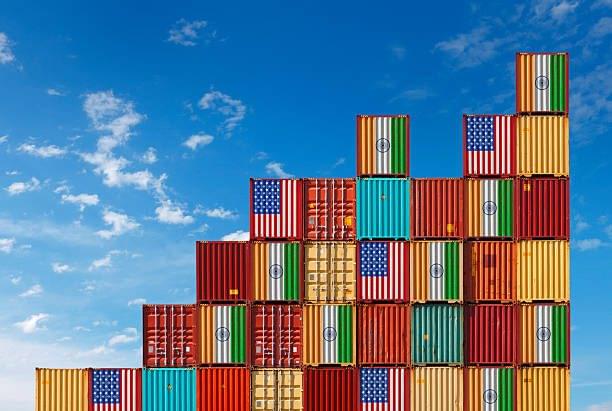
Imagine a world where your favorite coffee shop only sold beans grown within a 50-mile radius, or where your smartphone was built entirely from parts manufactured in your home state. It would be a very different, and much more limited, world. That’s the power of global commerce. But what exactly drives this interconnected web of trade?
Whether you are a student exploring career paths, an entrepreneur looking to expand, or simply curious about how the global economy ticks, understanding international business is essential. This guide goes beyond the textbook definitions to explore the mechanics, benefits, and challenges of operating across borders.
What is International Business?
At its core, international business refers to any commercial transaction—including sales, investments, and transportation—that takes place between two or more countries. It encompasses the full spectrum of cross-border exchanges of goods, services, or resources.
While domestic business involves transactions within the boundaries of a single country, international business introduces new layers of complexity and opportunity. It isn’t just about shipping products overseas; it involves the exchange of:
- Physical goods (like cars, electronics, and food)
- Services (like banking, insurance, and consulting)
- Intellectual property (like patents, copyrights, and technology)
- Capital and resources (like foreign investments and labor)
Globalization has accelerated this process, making national economies more interdependent. Today, even small local businesses often participate in the global market, whether by sourcing raw materials from abroad or using digital platforms to sell to international customers.
Why is International Business Important?
The importance of international business cannot be overstated in our modern economy. It serves as a catalyst for economic growth and innovation.
Access to New Markets
For businesses, the domestic market often has a ceiling. Expanding internationally opens the door to billions of potential new customers. Companies like Netflix and Spotify, for instance, have sustained their massive growth by aggressively entering new global territories when their home markets reached saturation.
Resource Acquisition
No single country has a monopoly on all natural resources or skilled labor. International business allows companies to access raw materials, specialized talent, or technological expertise that may be scarce or expensive at home.
Risk Diversification
“Don’t put all your eggs in one basket.” This adage holds true for global trade. If a company relies solely on one country’s economy, a local recession can be devastating. By operating in multiple markets, businesses can buffer themselves against economic downturns in any single region.
The Main Types of International Business
Global commerce isn’t a one-size-fits-all operation. Companies choose different modes of entry based on their resources, risk tolerance, and goals.
1. Exporting and Importing
This is the most common and traditional form.
- Exporting: Selling products or services produced domestically to other countries.
- Importing: Buying goods and services from foreign sources and bringing them into the home country.
2. Licensing and Franchising
- Licensing: A company (licensor) grants rights to a foreign firm (licensee) to use its intellectual property—such as a patent or trademark—in exchange for a royalty fee.
- Franchising: Similar to licensing but involves a stricter business model. A parent company (franchisor) allows a foreign entity (franchisee) to use its brand name and operational model. Think of McDonald’s or Starbucks locations worldwide.
3. Foreign Direct Investment (FDI)
This involves a company investing directly in facilities to produce or market a product in a foreign country. This is a deeper commitment than exporting and can take two forms:
- Greenfield Investment: Building a new subsidiary from the ground up in a foreign country.
- Acquisition: Buying an existing company in the foreign market.
4. Joint Ventures and Strategic Alliances
Sometimes, going it alone is too risky.
- Joint Venture: Two or more companies form a new, separate entity to undertake a specific economic activity. They share the ownership, risks, and profits.
- Strategic Alliance: A partnership where companies collaborate for a specific goal without forming a new legal entity.
Key Benefits of Going Global
Why do companies navigate the headaches of customs, tariffs, and time zones? Because the rewards are significant.
- Increased Revenue Potential: Simply put, more markets mean more sales.
- Economies of Scale: Producing more units to sell globally can lower the cost per unit, increasing profit margins.
- Enhanced Brand Image: Global presence often boosts a brand’s reputation and perceived value.
- Competitive Advantage: Learning from foreign competitors can spark innovation and improve domestic operations.
Challenges in International Business
Despite the benefits, the path to global success is paved with obstacles.
Cultural Differences
This is often the biggest stumbling block. Cultural nuances affect everything from negotiation styles to consumer preferences. A marketing campaign that is hilarious in the US might be offensive in Japan. Understanding local customs, language, and consumer behavior is non-negotiable.
Legal and Regulatory Compliance
Every country has its own legal framework. Businesses must navigate a maze of:
- Tariffs and trade barriers
- Labor laws
- Environmental regulations
- Intellectual property protection laws
Currency Fluctuations
Exchange rates are constantly moving. A sudden drop in the value of a foreign currency can slash the profits of a company earning revenue in that currency, even if their sales volume remains steady.
Political Risks
Political instability, changes in government, or shifts in trade policies can disrupt operations overnight. Companies must assess the political climate of any country they intend to enter.
Real-World Examples of International Business Success
- IKEA: The Swedish furniture giant sources materials from over 50 countries and sells to millions worldwide, maintaining a distinct brand identity while adapting store layouts to local preferences.
- Toyota: A prime example of FDI, Toyota manufactures cars in the countries where they are sold (like the US) to reduce shipping costs and bypass tariffs, proving that you don’t have to build everything at home to succeed abroad.
- Unilever: This consumer goods powerhouse excels at “glocalization”—maintaining global standards while tailoring products like shampoos and teas to local tastes and water conditions in emerging markets.
Conclusion
Understanding what international business is goes beyond memorizing definitions. It is about recognizing the interconnected nature of our world. It offers immense opportunities for growth, innovation, and resilience. However, success requires more than just a good product; it demands cultural intelligence, strategic planning, and the agility to navigate complex legal and economic landscapes.
As technology continues to shrink the distance between nations, the line between “domestic” and “international” business will continue to blur. For modern businesses, thinking globally isn’t just an option—it’s often a necessity for survival.
Ready to dive deeper? Start by researching the top emerging markets in your industry to see where the next wave of opportunity lies.