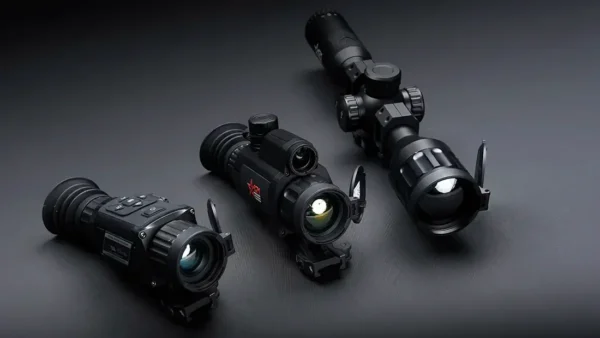
A thermal scope attachment has become one of the most useful tools for hunters, outdoor enthusiasts, wildlife observers, and security professionals. Instead of replacing an existing riflescope or optic, this device attaches directly to compatible optics and provides thermal imaging capabilities. As thermal technology continues to improve, more people are exploring these attachments because they offer better visibility in darkness, fog, smoke, and challenging weather conditions. In this article, we will explain what a thermal scope attachment is, how it works, its major benefits, common applications, and the important factors to consider before buying one.
What Is a Thermal Scope Attachment?
A thermal scope attachment is an optical device that detects heat signatures and converts them into visible images. Unlike traditional night vision systems that rely on ambient light, thermal imaging works by sensing infrared radiation emitted by people, animals, and objects.
The attachment is usually mounted in front of or behind an existing optic. This setup allows users to transform a standard daytime scope into a thermal imaging system without replacing the original equipment.
Thermal scope attachments are popular because they provide flexibility. Users can switch between standard optics and thermal viewing depending on the environment and requirements.
How Does a Thermal Scope Attachment Work?
Every living creature and warm object emits heat. A thermal scope attachment contains sensors that detect temperature differences in the environment. The device processes this information and displays it as a thermal image.
Warm objects often appear brighter or highlighted compared to cooler surroundings. This makes it easier to identify movement, animals, or people in low-visibility conditions.
Modern thermal attachments include advanced features such as:
- High-resolution thermal sensors
- Digital zoom functions
- Adjustable color palettes
- Video recording
- Wi-Fi connectivity
- Long detection ranges
- Battery-saving modes
Some premium models can detect heat signatures from hundreds or even thousands of meters away.
Key Benefits of Using a Thermal Scope Attachment
Enhanced Visibility in Darkness
One of the biggest advantages of a thermal scope attachment is the ability to see clearly in complete darkness. Traditional optics become ineffective at night without external light sources, but thermal imaging continues to perform efficiently.
Better Performance in Harsh Weather
Fog, smoke, rain, and dust can reduce visibility with regular optics. Thermal imaging technology performs much better in these situations because it detects heat rather than relying on visible light.
Versatility
Instead of purchasing a completely separate thermal scope, users can attach the thermal device to an existing optic. This saves time and allows for easier transitions between standard and thermal viewing.
Improved Detection
Thermal imaging makes it easier to locate hidden objects, animals, or individuals. Heat signatures stand out from the environment, even when targets are partially concealed by vegetation or darkness.
Useful for Multiple Applications
A thermal scope attachment is not limited to hunting. It is also useful for:
- Wildlife observation
- Search and rescue operations
- Property monitoring
- Outdoor exploration
- Security surveillance
- Agricultural monitoring
Types of Thermal Scope Attachments
There are different types of thermal attachments available on the market.
Clip-On Thermal Attachments
These devices are mounted directly in front of a daytime optic. They are among the most popular choices because they maintain the original optic’s settings and require minimal adjustments.
Rear-Mounted Attachments
Rear-mounted thermal units connect behind an existing optic. They are generally compact and convenient but may offer different viewing experiences depending on the setup.
Handheld Thermal Monocular Attachments
Some thermal devices can function as standalone handheld viewers while also serving as optic attachments. This dual-purpose functionality increases flexibility.
Important Features to Consider
When choosing a thermal scope attachment, several factors should be evaluated carefully.
Resolution
Higher resolution provides clearer thermal images. A quality sensor improves target recognition and detail.
Detection Range
Detection range determines how far the device can identify heat signatures. Users should choose a range suitable for their intended activities.
Refresh Rate
A higher refresh rate results in smoother image performance, especially when tracking moving subjects.
Battery Life
Long battery life is important for extended outdoor use. Some models support rechargeable batteries or external power options.
Durability
Thermal attachments are often used in rough environments. A durable, weather-resistant design helps ensure long-term performance.
Weight and Size
Compact and lightweight models are easier to carry and mount. Heavy devices may affect comfort and balance during prolonged use.
Common Uses of Thermal Scope Attachments
Wildlife Observation
Researchers and wildlife enthusiasts use thermal imaging to observe nocturnal animals without disturbing them. Thermal technology helps track movement and activity patterns.
Outdoor Adventures
Campers and explorers can benefit from thermal imaging when navigating dark environments or monitoring surroundings at night.
Security and Surveillance
Thermal scope attachments are commonly used in security operations to detect movement in low-light conditions. They can help identify potential threats or unusual activity.
Search and Rescue
Rescue teams often use thermal imaging to locate missing individuals in forests, mountains, or disaster zones.
Agriculture and Farm Monitoring
Farmers and landowners may use thermal imaging to monitor livestock, identify predators, or inspect large properties during nighttime hours.
Maintenance Tips for Thermal Scope Attachments
Proper maintenance can improve the lifespan and performance of thermal devices.
- Keep lenses clean using approved cleaning materials.
- Store the device in a dry and protective case.
- Avoid exposing the unit to extreme temperatures for extended periods.
- Regularly update firmware if supported by the manufacturer.
- Recharge batteries properly and avoid overcharging.
Following basic maintenance practices helps maintain image quality and operational reliability.
Future of Thermal Imaging Technology
Thermal imaging technology continues to evolve rapidly. Modern thermal scope attachments are becoming more compact, affordable, and powerful.
Future developments may include:
- Enhanced AI-based target recognition
- Improved image clarity
- Longer battery performance
- Faster processing speeds
- More lightweight designs
- Better wireless connectivity
As innovation continues, thermal imaging will likely become more accessible for both professional and recreational users.
Conclusion
A thermal scope attachment is a valuable tool for anyone who needs reliable visibility in darkness or difficult weather conditions. By converting heat signatures into visible images, these devices provide advantages that traditional optics cannot match.
Whether used for wildlife observation, security, outdoor exploration, or professional operations, thermal attachments offer versatility, convenience, and improved situational awareness. Understanding the key features, benefits, and applications can help users choose the right device for their specific needs.
As thermal technology advances, thermal scope attachments will continue to play an important role in modern optical systems, offering better performance and broader accessibility than ever before.