Energy costs are one of the most important operating expenses for modern businesses. Whether a company runs a factory, warehouse, commercial building, data center, food processing plant, or HVAC system, motors and fans often work for long hours every day. Because of this, even small improvements in efficiency can create meaningful savings over time.
High-efficiency motors and fans are no longer only technical upgrades. They are practical business investments that can reduce electricity bills, improve equipment performance, lower maintenance costs, and support sustainability goals.
Why Motors and Fans Use So Much Energy
Motors are used in pumps, conveyors, compressors, production machines, ventilation systems, cooling units, and automation equipment. Fans are widely used for air movement, cooling, exhaust, refrigeration, and indoor air quality control.
In many facilities, these systems run continuously or for long daily periods. If the motor or fan is outdated, oversized, poorly controlled, or inefficient, it may consume far more electricity than necessary. This creates hidden waste that appears month after month on energy bills.
For businesses with multiple machines or large buildings, this waste can become a major cost burden.
How High-Efficiency Motors Reduce Energy Waste
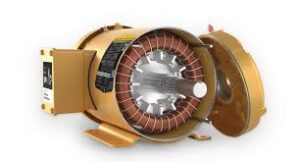
High-efficiency motors are designed to convert more electrical energy into useful mechanical power. Compared with traditional motors, they often reduce energy loss through better materials, optimized design, improved magnetic performance, and lower heat generation.
For example, a company working with an axial flux motor manufacturer may be interested in compact, lightweight motor designs that deliver strong torque and better power density for certain industrial or electric mobility applications.
The main business value is not only lower electricity use. More efficient motors also produce less heat, which can reduce stress on components and improve long-term reliability. This may help businesses reduce downtime, repair frequency, and replacement costs.
How Efficient Fans Improve Building and Industrial Performance
Fans are often overlooked when companies review energy costs, but they can consume significant power in HVAC, ventilation, and cooling systems. Traditional fans may run at fixed speeds even when full airflow is not needed. This wastes energy and can create unstable temperature or pressure conditions.
Modern fan systems can adjust speed according to real operating demand. For example, an EC centrifugal fan can combine efficient motor technology with smart speed control, making it useful for ventilation, air handling, refrigeration, and commercial HVAC applications.
By matching airflow to actual demand, businesses can avoid unnecessary power consumption while maintaining comfort, cooling performance, and process stability.
Key Business Benefits
The biggest benefit of high-efficiency motors and fans is lower electricity cost. However, the value usually goes beyond the energy bill.
First, efficient systems can improve equipment reliability. Less wasted energy often means less heat, vibration, and mechanical stress. This supports longer service life and fewer unexpected failures.
Second, they can improve process control. Variable-speed operation allows equipment to respond more precisely to production needs, airflow demand, temperature changes, or system pressure.
Third, they support sustainability targets. Many businesses now need to reduce carbon emissions, meet green building standards, or improve ESG performance. Upgrading motors and fans is a practical step because energy savings are measurable.
Finally, efficient components can improve brand competitiveness. For OEM manufacturers, using better motors and fans can make finished equipment more attractive to customers who care about operating cost and long-term value.
Where Businesses Can Apply These Upgrades
High-efficiency motors and fans can be used in many industries. Manufacturing plants can apply them to conveyors, pumps, compressors, mixers, and production lines. Commercial buildings can use them in HVAC systems, air handling units, and ventilation equipment. Data centers can improve cooling efficiency. Food and beverage plants can use them in refrigeration, drying, and clean-air systems.
Warehouses, logistics centers, hospitals, laboratories, hotels, shopping malls, and cleanrooms can also benefit from better airflow control and lower energy consumption.
What to Consider Before Upgrading
Before replacing motors or fans, businesses should review actual operating conditions. Important factors include running hours, load changes, required airflow, motor size, system pressure, installation space, control requirements, and maintenance access.
It is also important to avoid choosing equipment only by purchase price. A cheaper motor or fan may cost more over its lifetime if it consumes more electricity or requires frequent repairs. Businesses should compare total cost of ownership, including energy use, maintenance, downtime risk, and expected service life.
Professional system evaluation can also help. Sometimes energy waste comes not only from the motor or fan itself, but also from poor system design, incorrect sizing, blocked filters, inefficient ducts, worn belts, or outdated controls.
Conclusion
High-efficiency motors and fans offer businesses a practical way to reduce operating costs without sacrificing performance. By improving energy conversion, airflow control, reliability, and system responsiveness, these components can create long-term financial and operational benefits.
For companies facing rising electricity prices and stronger sustainability requirements, upgrading motor and fan systems is not just a technical decision. It is a smart business strategy for building more efficient, reliable, and competitive operations.