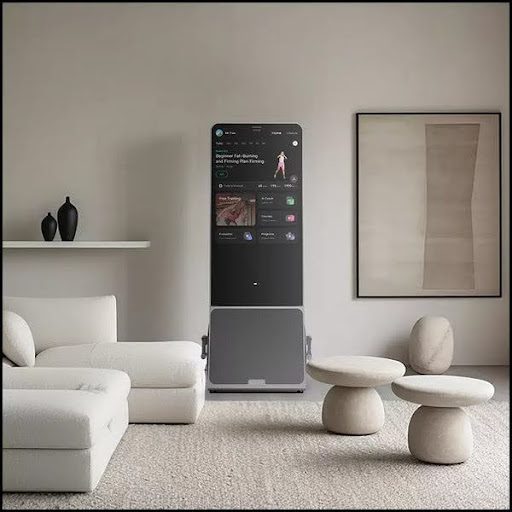
Home fitness has surged in popularity over the past few years, with more families than ever converting spare rooms, garages, and basements into personal workout spaces. But here’s the challenge most home gym owners quietly face: the setup works great for adults and almost not at all for kids. Barbells, treadmills, and resistance machines aren’t exactly designed with a seven-year-old in mind, leaving younger family members on the sidelines while parents exercise alone.
Integrating kids workout equipment into your home gym changes that dynamic entirely. It transforms a single-purpose space into a hub where the whole family can move, grow, and stay healthy together. This guide walks you through everything you need to build that kind of environment — from understanding why it matters and how to choose the right gear, to designing a layout that feels both premium and practical. You’ll also discover how smart technology and recovery tools can round out a setup that genuinely serves everyone, regardless of age. Whether you’re starting from scratch or upgrading an existing gym, this is your roadmap to a home fitness space the whole family will actually use.
Why Your Home Gym Needs Kids Workout Equipment
Most home gyms are built around one idea: adult performance. The equipment is sized for grown bodies, the routines are designed for adult goals, and the space itself sends a clear message to younger family members — this isn’t for you. That’s a missed opportunity, because the habits children develop early tend to stick. When kids grow up in households where movement is a normal, shared part of daily life, they’re far more likely to carry that mindset into adulthood. Your home gym can be one of the most powerful tools for shaping that foundation.
Benefits for Family Bonding and Health
Exercising together does something that solo workouts simply can’t — it creates a shared experience with real emotional weight. When parents and children work toward fitness goals side by side, even informally, it builds communication, mutual encouragement, and a sense of team. Kids who see their parents prioritize health are measurably more active themselves. Beyond the social dimension, regular physical activity in childhood supports stronger bones, better coordination, improved focus in school, and healthier sleep patterns. For adults, having kids involved can actually boost workout consistency, since the routine becomes a family commitment rather than a personal one that’s easy to skip.
Addressing the Gap in Home Gym Setups
The typical home gym creates an unintentional exclusion problem. Heavy barbells, high-impact cardio machines, and adult-scaled benches aren’t just impractical for children — they can be genuinely dangerous if a curious kid decides to experiment unsupervised. Most parents respond by keeping kids out of the gym entirely, which reinforces the idea that fitness is an adult-only activity. Integrating age-appropriate kids workout equipment closes that gap directly. It gives children their own designated space and tools within the gym, removing the hazard of adult equipment while making them active participants rather than spectators.
Choosing the Right Kids Workout Equipment: Expert Advice
Selecting kids workout equipment isn’t as simple as buying a smaller version of adult gear. The right choices depend on age, developmental stage, available space, and how the equipment fits alongside what you already own. The goal is to find pieces that are genuinely useful for children while pulling double duty in a shared space — which means prioritizing multi-functional, space-saving items over single-purpose novelties that collect dust after the first week.
Age-Appropriate Equipment Recommendations
For toddlers and preschoolers (ages 2–5), focus on movement-based tools that develop coordination without complexity: soft balance beams, mini trampolines with safety handles, and foam balance pods are excellent starting points. School-age kids (6–12) can handle more structured equipment — adjustable jump ropes, youth-sized resistance bands, agility ladders, and lightweight medicine balls all build strength and athleticism without the risks associated with weighted machines. Teenagers can gradually transition to lighter versions of adult equipment, such as adjustable dumbbells set to low weights and bodyweight training stations. Across all age groups, avoid equipment with pinch points, sharp edges, or mechanisms that require adult supervision to operate safely.
Safety and Durability Considerations
Safety starts with materials. Look for equipment made from non-toxic, BPA-free plastics or natural rubber, and verify that products meet ASTM or CPSC safety standards. Stability is non-negotiable — any platform, balance tool, or frame should have a wide base and a weight rating well above your child’s current size to account for growth. Check that foam padding is dense enough to absorb impact rather than compress flat. For durability, prioritize commercial-grade stitching on soft goods and powder-coated steel frames on structural pieces. Inspect equipment monthly for wear, loose bolts, or cracked surfaces, and replace components before they become hazards.
Solutions for Efficient Home Workout Setups
Space efficiency is where smart purchasing decisions pay off most. Choose equipment that stacks, folds, or serves multiple functions — a set of resistance bands, for instance, works for both a parent’s strength routine and a child’s mobility exercises. Brands like AEKE have built their home gym lines around exactly this principle, offering modular, space-conscious designs that accommodate mixed-use family environments. Designate a specific zone in your gym for kids’ gear and use wall-mounted hooks or labeled bins to keep it organized and accessible. Rolling storage carts work particularly well because they let you reconfigure the space quickly when switching between adult-only and family workout sessions. Keeping kids’ equipment at a lower height also encourages children to grab it independently, reinforcing the habit of self-directed movement.
Designing a Family-Friendly Home Gym with Premium and Space-Saving Elements
A well-designed family gym doesn’t have to look like a daycare annexed to a weight room. With the right approach, you can build a space that feels intentional and high-end while genuinely working for every age group. The key is thinking in zones and layers — separating functional areas without creating hard divisions that make the space feel cramped or disconnected.
Space-Saving Workouts and Layout Strategies
Start by mapping your floor plan before buying anything. Identify a dedicated kids’ zone along one wall — ideally with padded flooring and lower ceiling clearance requirements — and position adult equipment in the remaining space. Foldable squat racks, wall-mounted pull-up bars, and adjustable benches that tuck flat against the wall all reclaim significant square footage when not in use. For kids, modular foam tiles can define their area visually while doubling as impact-absorbing surfaces for jumping and tumbling. Vertical storage is your best ally: pegboards and wall-mounted rail systems keep resistance bands, jump ropes, and agility tools off the floor and organized by user, so nothing gets tangled or lost under heavier equipment.
Aesthetic Integration for a Cohesive Premium Design Gym
Cohesion comes from consistent material choices rather than matching colors. Stick to two or three tones across the entire space — a neutral base like charcoal or slate gray for adult equipment, with one accent color that appears in both the kids’ zone and elsewhere in the room through flooring borders or wall graphics. Rubber flooring in a uniform color across the full gym floor immediately elevates the look while providing safety for children. Avoid cartoon-themed kids’ gear that clashes with the overall aesthetic; most quality youth fitness equipment comes in clean, simple colorways that blend naturally. Good lighting — ideally adjustable LED panels — ties the whole space together and makes it feel premium rather than improvised.
Leveraging Smart Home Gym Technology for Enhanced Family Fitness
Technology has quietly become one of the most powerful tools for keeping entire families engaged in fitness. When a workout session feels interactive rather than repetitive, both kids and adults are more likely to show up consistently. Smart home gym features — from interactive screens to wearable trackers — bridge the gap between adult performance goals and the kind of playful engagement children need to stay motivated.
Apps and Devices for Kids’ Engagement
Gamified fitness apps are particularly effective for school-age children because they reframe exercise as a challenge rather than a chore. Platforms like Zombies, Run! or GoNoodle turn movement into storytelling and point-scoring, which sustains attention far longer than a standard routine. For younger kids, interactive floor projectors that respond to jumping and stepping combine physical activity with sensory play in a way that feels completely natural. On the hardware side, youth-friendly fitness trackers — simpler versions of adult smartwatches — let children monitor their step counts and active minutes, giving them ownership over their own progress. Pairing these with a shared family dashboard on a wall-mounted tablet creates a visible, motivating record that everyone in the household can contribute to.
Syncing Family Workout Data and Routines
The real advantage of smart gym technology is the ability to align individual routines under a shared system. Apps like Apple Fitness+ or Garmin Connect allow multiple family profiles under one account, making it straightforward to track everyone’s activity in one place. Set up weekly family fitness challenges — step competitions, active minute goals, or flexibility streaks — that pull data from each member’s device automatically. For recovery monitoring, heart rate variability data from adult wearables can inform how hard to push on any given day, while simpler metrics like sleep duration from kids’ trackers help parents gauge whether their children are recovering adequately between active sessions.
Incorporating Recovery Training for the Whole Family
Exercise is only half the equation. Recovery is where the actual adaptation happens — muscles repair, joints decompress, and the nervous system resets. Most home gym setups ignore this entirely, but when children are part of the picture, recovery becomes even more critical. Kids’ bodies are still developing, which means connective tissue, growth plates, and cardiovascular systems respond differently to physical stress than adult bodies do. Building a dedicated recovery zone into your family gym isn’t optional; it’s what keeps everyone moving consistently without accumulating the small injuries and fatigue that quietly derail fitness habits over time.
Why Recovery Matters for Kids and Adults
For children, inadequate recovery between active sessions can lead to overuse injuries, disrupted sleep, and decreased motivation — all of which are counterproductive to the habits you’re trying to build. Growth plates in particular are vulnerable to repetitive stress, so rest and gentle mobility work aren’t just beneficial for young athletes; they’re protective. For adults, recovery training reduces muscle soreness, improves flexibility, and lowers injury risk during heavier training sessions. When families recover together — through stretching, breathing exercises, or light mobility flows — it reinforces the message that rest is a legitimate and valued part of fitness, not something to skip when time is short.
Practical Recovery Equipment and Routines
The good news is that effective recovery tools are affordable, compact, and work across age groups. A set of foam rollers in two sizes — standard for adults and a shorter, softer version for kids — covers most soft tissue needs. Stretching straps help both children and adults work through tight hamstrings and hip flexors safely. A low-profile massage gun with adjustable intensity settings can serve the whole family, provided children use it only on the lowest setting with parental guidance. Designate a corner of your gym with a yoga mat area and wall-mounted resistance bands for post-workout stretching. A simple family recovery routine might include five minutes of foam rolling targeted at the legs and back, followed by a guided ten-minute stretch using a shared tablet app like Down Dog or StretchIt. Running this routine together after workouts two to three times per week builds the habit naturally while giving the entire family a structured wind-down that transitions smoothly from exercise to rest.
Building a Home Gym That Works for Every Age
Building a home gym that genuinely works for the whole family is less about buying more equipment and more about making intentional choices. The sections in this guide cover the full picture: why kids’ inclusion matters for long-term health habits, how to select age-appropriate gear that’s safe and durable, and how to design a space that feels premium without sacrificing practicality. Layering in smart technology keeps everyone engaged, while a dedicated recovery zone ensures the whole family can sustain their activity levels without burnout or injury.
The payoff extends well beyond fitness metrics. A home gym where children feel genuinely welcome — with their own tools, their own zone, and their own role in the family’s health routine — sends a message that movement is a shared value, not an adult privilege. That message compounds over years into habits that are genuinely hard to break.
Start small if you need to. Pick one age-appropriate piece of equipment, carve out a corner of your existing gym, and build from there. The investment doesn’t have to be large to be meaningful. What matters is that you begin — because the sooner your home gym becomes a space for everyone, the sooner your whole family starts reaping the benefits together.