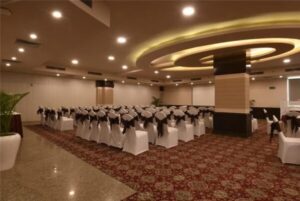
An event can have a strong agenda and great speakers, yet still feel flat. Often, the missing piece is the space itself. The room affects how people interact, how comfortable they feel, and how smoothly everything runs. That’s why choosing the right venue is not just another task on your checklist.
In this guide, you’ll learn what to look for, what to ask, and how to think beyond surface details so your event feels well planned from start to finish.
The Smart Way to Approach Event Venue Decisions
Choosing a space takes more than checking availability and price. You need to think about purpose, experience, logistics, and support. When you look at a venue from different angles, you avoid last-minute stress and awkward surprises.
Let’s break it down step by step.
Start with the Purpose of Your Event
Before you compare venues, get clear about what you’re hosting. A networking session feels very different from a training workshop. A product launch carries a different tone than a team celebration.
Ask yourself what you want people to feel when they walk in. Should the setting feel formal and polished? Or relaxed and conversational? The atmosphere should match your goal.
Audience size also plays a big role. A small strategy meeting needs privacy and comfort. A larger seminar requires open seating and clear sightlines. If your event includes group activities, you’ll need room to rearrange chairs and tables easily.
When you define your objective first, your choices become simpler. The venue becomes a tool that supports your purpose rather than just a backdrop.
Understand Capacity, Layout, and Flow
Once your goal is clear, focus on space and movement. A room might look large in photos, but layout matters more than square footage.
Think about seating arrangements. A theatre setup works for presentations. A boardroom style suits discussions. Classroom seating fits training sessions. If your event includes networking, you may prefer open space with standing tables.
You also need to consider flow. Where will guests enter? Is there a clear registration area? Can people move easily without crowding near doors or refreshment tables?
Breakout sessions require separate areas or flexible partitions. Good design makes transitions smooth instead of chaotic.
Location and Accessibility Matter
Convenience affects attendance. If guests struggle to reach your venue, they may arrive late or frustrated. Central locations often make a stronger impression because they are easy to access by public transport and offer nearby parking.
If attendees are coming from out of town, check the distance from hotels. Proximity reduces stress and keeps schedules on track. Business districts also add a professional touch to corporate events.
When planning your venue booking, you should think about travel time, traffic patterns, and nearby amenities. Coffee shops, restaurants, and accommodation options can add value for guests who want to continue conversations after the event ends.
Technology and Built-In Equipment
Modern events rely heavily on technology. A good sound system, high-quality screens, and stable internet make a big difference.
Check what equipment is included in the rental fee. Microphones, projectors, LED screens, and presentation tools should be tested in advance. Weak audio can distract attendees and reduce engagement.
Internet speed is equally important, especially for hybrid meetings. If guests are joining online, you need strong connectivity and proper video conferencing tools. Technical glitches can interrupt the flow of your event.
Services That Make Planning Easier
A venue is more than walls and furniture. Support services can reduce your workload significantly.
Some spaces provide reception staff to greet guests and manage check-in. Others offer catering options, from light snacks to full meals. On-site staff can help with room setup, rearranging furniture, and post-event cleanup.
Security is another factor to consider. Professional venues often have controlled access and guest management systems. This creates a safer environment for corporate gatherings.
Ambience and Brand Alignment
The look and feel of a space shape how your event is perceived. Lighting, décor, and layout all contribute to atmosphere.
Natural light often makes a room feel welcoming and open. Soft lighting can create a relaxed mood, while bright lighting supports focus during presentations.
The design should reflect your brand. A sleek, modern interior works well for tech launches. A refined setting fits executive meetings. A creative studio space may suit workshops or brainstorming sessions.
Budget Transparency and Hidden Costs
Cost is always part of the decision. Still, price alone should not guide your choice.
Ask for a clear breakdown of charges. Some venues offer hourly rates, while others charge half-day or full-day packages. Understand what is included in the base fee.
Additional costs may apply for equipment, catering, overtime, or special arrangements. Deposits and cancellation policies should also be reviewed carefully.
Flexibility for Changing Needs
Event plans can shift. Guest numbers may increase. Timelines might extend. Equipment needs could change at the last minute.
Flexible venues allow adjustments without excessive fees. Some spaces offer add-ons for extra hours or additional seating. Others provide options for expanding into nearby rooms.
Adaptability is valuable because no event runs exactly as planned. When a venue can respond to change calmly, you feel more in control. Long-term partnerships also bring benefits. If you host events regularly, ask about loyalty programs or preferred client rates.
The Importance of Visiting the Venue
Photos and brochures only show part of the story. Visiting the space gives you a clearer understanding.
Walk through the entrance and observe the surroundings. Pay attention to cleanliness, lighting, and sound. Stand in different areas of the room to test acoustics. Meet the staff in person. Their attitude and professionalism reflect how your guests will be treated.
A site visit also allows you to spot potential issues early. You may notice space limitations or layout constraints that were not obvious online. Seeing the venue yourself helps you make a confident decision.
Conclusion
Choosing the right space shapes the entire event experience. When you approach venue booking with clear goals, thoughtful questions, and attention to detail, your event feels smoother and more professional.
As gatherings continue to blend in-person and digital formats, adaptable venues will become even more valuable. The right setting does more than hold your event. It supports meaningful conversations and lasting impressions.