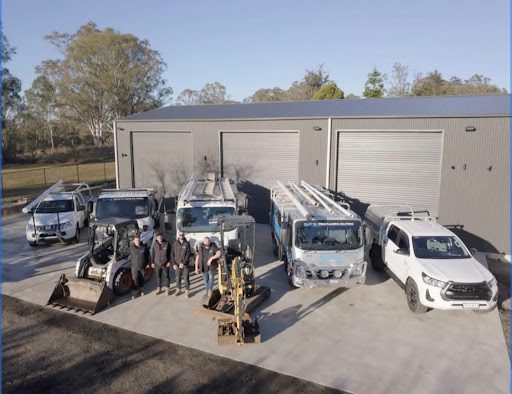
Plumbing systems work quietly behind the scenes every day, delivering clean water and removing waste without most homeowners giving them a second thought. However, in growing suburbs across South-West Sydney, regular plumbing maintenance is essential to prevent unexpected breakdowns and costly water damage. Many residents rely on the Steins Plumbing Oran Park plumber team when issues arise, but proactive care can significantly reduce the need for emergency call-outs.
From hot water systems and drainage to taps and stormwater lines, every part of your plumbing network requires occasional inspection and servicing. Understanding what to check and when to act can help protect your home, reduce water waste, and extend the lifespan of your plumbing system.
Regularly Inspect Taps and Fixtures
Leaking taps may seem minor, but even a slow drip can waste thousands of litres of water each year. Over time, worn washers, seals, and cartridges deteriorate due to pressure and everyday use. Inspect taps in kitchens, bathrooms, and laundries for signs of dripping, corrosion, or stiffness when turning handles. Replacing small components early prevents larger issues and helps keep water bills under control.
Check Under Sinks for Hidden Leaks
The space beneath sinks often hides early signs of plumbing trouble. Moisture, water stains, mould growth, or damp odours can indicate a slow leak from pipes or fittings. Make it a habit to check under sinks every few months. Catching leaks early prevents cabinet damage, flooring issues, and mould development.
Maintain Your Hot Water System
Hot water systems are one of the most heavily used components of a home’s plumbing network. In South-West Sydney’s climate, seasonal temperature changes can place additional demand on these systems.
Routine maintenance includes checking for rust, leaks around valves, unusual noises, or inconsistent water temperature. Flushing the system periodically removes sediment buildup that can reduce efficiency and shorten lifespan.
Monitor Water Pressure Levels
Water pressure that is too high can strain pipes and fixtures, while pressure that is too low can indicate blockages or supply issues. Sudden changes in pressure often signal underlying problems. Installing or checking a pressure regulating valve helps maintain safe levels. Monitoring pressure ensures your plumbing system operates efficiently without unnecessary stress.
Keep Drains Clear and Flowing
Blocked drains are among the most common plumbing issues in residential properties. Hair, grease, soap residue, and debris gradually build up inside pipes, restricting flow. Avoid pouring fats or oils down the sink, use drain strainers, and periodically flush drains with hot water. If water drains slowly or gurgles, it may be time for professional cleaning before a complete blockage occurs.
Inspect Outdoor Plumbing and Stormwater Systems
South-West Sydney homes often feature outdoor taps, irrigation systems, and stormwater drains. Leaves, dirt, and debris can accumulate in outdoor drains, especially after heavy rainfall. Regularly clearing gutters and stormwater grates prevents water pooling and potential flooding around foundations. Outdoor plumbing inspections are just as important as indoor checks.
Watch for Signs of Pipe Corrosion
Older properties may have pipes that are more susceptible to corrosion. Discoloured water, metallic taste, or visible rust on exposed pipes may indicate deterioration. Corroded pipes are at higher risk of leaks and bursts. Early replacement of affected sections prevents significant structural damage.
Test Toilet Components
Toilets can silently waste water if internal components fail. A running toilet often indicates a faulty flapper valve or fill mechanism. Listen for continuous water flow after flushing and check for leaks around the base. Replacing worn parts promptly reduces water waste and prevents larger repairs.
Schedule Professional Plumbing Inspections
While homeowners can perform basic checks, professional inspections provide a deeper assessment. Licensed plumbers use specialised equipment to detect hidden leaks, inspect drainage systems, and evaluate overall system health. Annual or biennial inspections are particularly beneficial for older homes or properties with complex plumbing systems.
Address Minor Repairs Immediately
Small plumbing issues rarely resolve on their own. Ignoring minor drips, slow drains, or small cracks can lead to larger and more expensive problems. Prompt repairs not only protect your home but also reduce stress and inconvenience later on.
Protect Pipes During Seasonal Changes
Although South-West Sydney does not experience extreme freezing conditions, temperature fluctuations can still affect plumbing components. Insulating exposed pipes and checking outdoor connections before seasonal shifts helps prevent stress-related damage. Weather awareness plays a role in maintaining long-term plumbing reliability.
Maintain Appliances Connected to Plumbing
Dishwashers, washing machines, and refrigerators with water dispensers are all connected to your plumbing system. Inspect hoses and connections regularly for signs of wear or leakage. Replacing flexible hoses every few years reduces the risk of sudden bursts that can cause significant flooding.
Educate Household Members on Proper Usage
Plumbing maintenance is a shared responsibility. Educate everyone in the household about what should and should not go down drains and toilets. Simple habits such as disposing of wipes and hygiene products in bins instead of flushing them prevent unnecessary blockages.
Plan Preventative Maintenance as Part of Home Care
Just as roofs, air conditioning systems, and electrical wiring require regular attention, plumbing should be included in your home maintenance schedule. Keeping a checklist and setting reminders for inspections ensures nothing is overlooked.
Reduce Long-Term Costs Through Proactive Care
Preventative plumbing maintenance may seem like an added expense, but it significantly reduces the risk of emergency repairs and water damage restoration. Proactive care extends the life of pipes, fixtures, and appliances, saving money over time.
Support Sustainable Water Usage
Maintaining plumbing systems helps prevent water waste and supports sustainable living. Fixing leaks promptly and upgrading to water-efficient fixtures reduces environmental impact and lowers utility bills. Responsible water use benefits both homeowners and the broader community.
Conclusion
Essential plumbing maintenance for South-West Sydney homes involves regular inspections, prompt repairs, and professional assessments when needed. By monitoring taps, drains, hot water systems, and outdoor plumbing, homeowners can prevent costly water damage and ensure reliable performance.
Taking a proactive approach to plumbing care protects your property, enhances comfort, and supports long-term efficiency. Consistent maintenance is the key to avoiding unexpected disruptions and keeping your home running smoothly year-round.