For small contractors, cost control is often the difference between a profitable project and a difficult one. Labor, materials, transport, equipment rental, delays, and rework can quickly reduce margins. While many contractors focus mainly on material prices, choosing the right concrete machinery can also make a major impact on daily operating costs.
The right equipment helps small teams work faster, reduce waste, improve accuracy, and complete more jobs with fewer delays. For growing construction businesses, machinery should not only be seen as an expense, but also as a tool for improving long-term efficiency.
Reduce Labor Costs
Labor is one of the biggest costs in concrete work. When a job depends too much on manual work, productivity becomes limited by worker speed and physical effort. Suitable machinery allows a small crew to finish tasks that would otherwise require more workers.
For example, cutting, mixing, compacting, leveling, and finishing concrete all become more efficient when the correct machine is used. Instead of hiring extra labor for every project, contractors can rely on equipment to increase output with the same team size.
This is especially useful for small companies that need to stay competitive without building a large workforce too quickly.
Avoid Expensive Rework
Poor concrete preparation or inaccurate cutting can lead to cracks, uneven surfaces, weak bonding, and failed repairs. Rework costs money because it requires additional labor, materials, time, and sometimes customer compensation.
Using reliable concrete machinery improves consistency. A stable cutting machine can create cleaner joints and openings. A good mixer can produce more uniform concrete. Proper compaction and finishing tools can improve surface quality and durability.
When the first result is better, contractors spend less time fixing mistakes and more time moving to the next job.
Save Money on Equipment Rental
Many small contractors rent machinery because buying equipment requires upfront investment. Renting can be useful for occasional jobs, but frequent rental quickly becomes expensive.
If a contractor often handles concrete repair, driveway work, flooring, pavement cutting, or small foundation projects, buying key machines may be more cost-effective over time. Ownership also reduces scheduling problems because the machine is available when needed.
Before buying, contractors should compare rental frequency, rental cost, transport fees, maintenance needs, and expected machine lifespan. If a machine is used regularly, purchasing can lower the cost per project.
Improve Material Efficiency
Concrete waste is another hidden cost. Overmixing, inaccurate batching, poor transportation, and slow application can cause material loss. For small contractors, even small amounts of wasted cement, sand, aggregate, or premixed concrete can reduce profit.
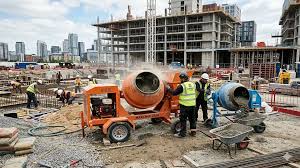
Using a portable concrete mixer allows teams to prepare concrete directly on site in suitable batches. This helps reduce unnecessary waste and gives contractors better control over the amount mixed for each task.
Good material control is especially valuable for repair work, rural jobs, small slabs, fence posts, landscaping projects, and renovation tasks where full ready-mix delivery may not be practical.
Increase Project Speed
Time is money in construction. Faster project completion reduces labor hours, equipment rental days, fuel use, and site management costs. It also allows contractors to accept more projects within the same month.
Concrete machinery helps speed up repetitive tasks. Cutting expansion joints, removing damaged sections, preparing small batches, leveling surfaces, and finishing slabs can all be done faster with suitable tools.
For example, a walk behind concrete saw can help contractors complete straight concrete cutting tasks more efficiently than relying only on handheld tools for larger surface areas.
Faster work also improves customer satisfaction because clients usually prefer shorter construction periods and less disruption.
Choose Machines That Match Real Job Needs
Small contractors should avoid buying the largest or most expensive equipment without analyzing their actual work. A machine that is too large may be difficult to transport, expensive to maintain, and unsuitable for smaller sites. A machine that is too light-duty may wear out quickly.
Before purchasing concrete machinery, contractors should consider:
| Factor | Why It Matters |
|---|---|
| Job type | Repair, cutting, mixing, paving, flooring, or renovation work require different machines |
| Project size | Small residential jobs need different equipment from large commercial sites |
| Power source | Electric, gasoline, or diesel options affect mobility and operating cost |
| Maintenance | Easy maintenance reduces downtime and repair expense |
| Transport | Compact machines save delivery and handling costs |
Choosing based on real project needs helps contractors avoid overspending while still improving productivity.
Lower Downtime with Reliable Equipment
Cheap machines may look attractive at first, but frequent breakdowns can create serious losses. Downtime delays projects, wastes labor hours, and may damage a contractor’s reputation.
Reliable equipment with available spare parts and simple maintenance is often more economical than the lowest-price option. Contractors should check machine build quality, supplier support, warranty terms, and replacement part availability before buying.
Preventive maintenance is also important. Cleaning machines after use, checking belts, blades, engines, bearings, and fasteners can extend service life and reduce unexpected repair costs.
Build Long-Term Business Value
The right concrete machinery helps small contractors become more professional and competitive. With better equipment, they can handle more project types, improve work quality, reduce reliance on rental suppliers, and complete jobs faster.
Cost reduction does not always mean choosing the cheapest option. It means choosing machines that improve efficiency, reduce waste, lower labor needs, and support long-term business growth.
For small contractors, smart equipment investment can create stronger margins and a more stable construction business.