Curious why creators are removing watermarks from AI-generated content? Learn why tools like gemini watermark removers are gaining traction and what the ethical, legal, and creative implications are.
AI-generated content is transforming how digital creators work. Tools like Google’s Gemini make it easy to produce high-quality text and visuals in seconds — but often embed watermarks to mark their AI origins. While meant to ensure transparency, these marks have led many creators to seek out gemini watermark remover tools.
So why is there growing interest in removing them — and what are the implications?
What’s the Role of Watermarks in Gemini-Generated Content?
Google’s Gemini model may embed invisible watermarks into content it creates. These digital signatures help:
- Identify content as AI-generated
- Support transparency across platforms
- Discourage misuse or misrepresentation
Some creators, however, see these marks as limiting — especially when it comes to branding or content reuse.
Why Do Creators Want to Remove Gemini Watermarks?
1. Clean Visuals and Brand-Ready Content
Designers and marketers often need content that looks polished and original. A watermark — even a hidden one — can cause concern when publishing or handing work off to clients.
2. Increased Flexibility in Reuse
Watermarks can restrict how and where AI-generated content is used. By removing them, creators aim to make their content more adaptable across platforms and use cases.
3. Client Expectations
Some clients request content that appears fully human-made, especially in writing or commercial design. To meet those expectations, creators sometimes rely on tools that humanize AI output or remove watermarks.
What Tools Are Being Used to Remove Watermarks?
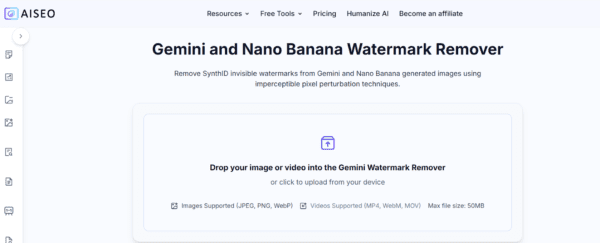
One of the most discussed tools today is the gemini watermark remover, which is designed specifically for content created with Google’s AI systems. It’s part of a growing set of tools that help creators regain control over how their AI-generated work is presented.
In addition, some creators use Humanize AI to rework AI-written content so it reads more naturally — and passes AI detection — without needing to start from scratch.
These solutions vary in functionality, but they share a common goal: giving creators more control over the final product.
Is It Legal or Ethical to Remove AI Watermarks?
Legal Gray Areas
In most jurisdictions, removing watermarks from AI-generated content isn’t clearly regulated. However, doing so may violate the platform’s terms of use, which can have consequences for account access or content takedown.
Ethical Considerations
- For personal projects or drafts, watermark removal may seem harmless.
- For commercial, educational, or journalistic use, failing to disclose AI involvement can mislead audiences.
- Many creators use tools like AI humanizers alongside manual editing to ensure their work still reflects their own input and style.
Final Thoughts
As AI-generated content becomes more common, creators are paying closer attention to how their work is labeled, detected, and perceived. Watermarks and AI signals are intended to promote transparency, but they can also limit how content is reused, presented, or accepted by certain platforms and audiences.
For many creators, the focus is less about removing identifiers and more about maintaining creative control, meeting client expectations, and ensuring their work aligns with real-world publishing standards. This often involves a mix of AI assistance, human editing, and thoughtful decision-making around disclosure and usage.
Ultimately, the responsible use of AI content depends on context. Understanding platform policies, audience expectations, and ethical boundaries helps creators make informed choices while continuing to adapt to a rapidly evolving digital landscape.