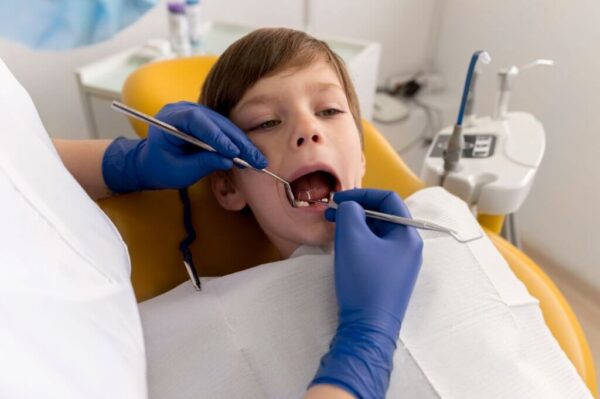
Preventive dentistry protects your mouth and your wallet. When you take care of your teeth early, you avoid painful emergencies, lost workdays, and big treatment bills that can drain savings. Simple habits like cleanings, exams, and X‑rays catch problems when they are small and cheap to fix. Left alone, a tiny cavity can grow into a root canal or extraction. That means more time in the chair and a much higher cost. Regular visits to a trusted dental office in Springfield PA help you plan care instead of paying for crises. You gain control. You also lower the chance of needing dentures, implants, or bridges later in life. Over decades, those choices add up to thousands of dollars kept in your pocket. This blog explains how steady prevention supports your health and protects your money at every age.
How Tooth Decay Starts And Why It Gets Expensive Fast
Tooth decay starts small. Bacteria feed on sugar and starch. They produce acid that eats away tooth enamel. At first, you might not feel anything. There may be no pain and no clear change in your bite.
Then the decay grows deeper. It reaches the softer layer under the enamel. Now the tooth breaks more easily. You may feel sharp pain with cold water or sweet food. If decay reaches the nerve, infection grows. At that point, you face a root canal or removal of the tooth.
Each step up in damage means a sharp jump in cost. A quick filling often takes one visit and a modest fee. A root canal, crown, or implant can cost many times more. You also lose time at work or school. That means lost income and extra stress.
Preventive Care Compared To Major Treatment Costs
The money gap between prevention and repair is wide. The table below shows typical ranges for common services. These are sample figures. Actual costs vary by location and insurance. The pattern stays the same. Early care costs less than late repair.
| Type of Visit or Treatment | Purpose | Typical Cost Range (per tooth or visit) | How Often
|
| Routine exam and cleaning | Remove plaque and check for problems | $75 to $200 | Every 6 months |
| Bitewing X‑rays | Find hidden decay between teeth | $20 to $100 | Every 1 to 2 years |
| Fluoride treatment | Strengthen enamel and prevent cavities | $20 to $50 | Every 6 to 12 months for kids and high risk adults |
| Dental sealant (per tooth) | Protect chewing surfaces of back teeth | $30 to $60 | Every few years |
| Filling (small to medium) | Repair early cavity | $150 to $400 | As needed |
| Root canal and crown | Save a deeply decayed tooth | $1,000 to $2,500 or more | As needed |
| Tooth extraction | Remove tooth that cannot be saved | $150 to $500 | As needed |
| Dental implant with crown | Replace missing tooth | $3,000 to $5,000 or more | As needed |
One cleaning and exam twice a year often costs less than a single filling. It also lowers the chance that you will ever need a root canal or implant.
Why Prevention Matters For Your Whole Body
Healthy gums and teeth support your whole body. Gum disease is linked to heart disease and diabetes. Infection in the mouth can spread. That can mean hospital visits and strong medicine.
The Centers for Disease Control and Prevention explains that untreated cavities can cause pain, problems with eating, and missed school days for children.
When you prevent decay and gum disease, you protect your heart, lungs, and blood sugar control. You also keep your immune system from fighting constant infection. That means fewer sick days and fewer medical bills over time.
How Preventive Dentistry Saves Money Across A Lifetime
Think about the three stages of life. Childhood. Working years. Older age. In each stage, prevention stops small issues from turning into financial shocks.
- Childhood and teens. Sealants, fluoride, and cleanings help avoid cavities. That prevents missed school and expensive orthodontic repairs to decayed teeth.
- Working years. Regular visits catch grinding, cracks, and gum disease early. You avoid emergency visits that pull you away from your job.
- Older age. You keep more natural teeth. That lowers the need for dentures, implants, or complex bridge work.
The American Dental Association notes that prevention can reduce the need for urgent treatment and tooth loss.
Simple Daily Habits That Cut Dental Costs
You control many of the steps that protect your teeth. Three habits matter most.
- Brush twice each day with fluoride toothpaste for two minutes.
- Clean between teeth once each day with floss or an interdental cleaner.
- Limit sugary drinks and snacks. Drink water often.
You can add these smart steps.
- Wear a mouthguard for sports.
- Wear a night guard if you grind your teeth.
- Do not smoke or vape. Tobacco and nicotine hurt gums and slow healing.
These habits cost little. Yet they prevent decay, broken teeth, and gum disease that can cost thousands of dollars to fix.
Planning Care For Your Family Budget
You can fit preventive visits into your budget with a clear plan. Start with a routine exam. Ask for a written plan that ranks your needs in three groups.
- Urgent issues that need attention right away.
- Problems that can wait a short time but should not be ignored.
- Long-term goals such as straightening teeth or replacing old work.
This clear list helps you spread care across the year. It also lets you use dental insurance or savings in a smart way. You avoid surprise bills and rushed choices.
When To Schedule Your Next Preventive Visit
You do not need pain to see a dentist. In fact, pain often means damage has already gone far. You should schedule a visit if any of these apply.
- You have not had a cleaning or exam in the last year.
- You notice bleeding when brushing or flossing.
- You feel sensitivity to hot, cold, or sweet food.
- You see dark spots, chips, or cracks.
- Your child has not seen a dentist by age one or within six months of the first tooth.
Each visit is a small investment. Over a lifetime, that steady care protects your health and saves large amounts of money that you can use for your family, your home, and your future plans.