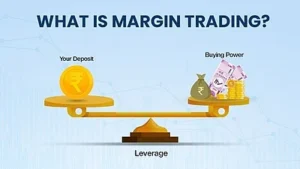
Participating in the modern stock market today involves more than just paying with cash. The Margin Trading Facility (MTF) allows you to increase your purchasing power by borrowing from stockbrokers, which changes the psychology and appetite for risk in trading. In cash trading, you pay the entire price of the stock upfront. The MTF allows you to purchase more stocks using less money. However, this convenience comes with associated costs and risks that should be carefully considered.
Before you start using leverage, most traders use an MTF Calculator to determine the costs of funding, interest, and holding costs. Because MTF requires you to borrow money, it is important to understand the price you pay to avoid unexpected losses. Comparing MTF to cash trading is especially important for new traders, allowing you to determine whether leverage is suitable for your financial objectives and risk tolerance.
Understanding Cash Trading
Cash trading is the most basic form of equity investment. In this method, investors purchase shares using their own funds without borrowing. This arrangement is less risky compared to leveraged trading because you do not have to worry about paying interest or meeting margin requirements.
In Cash Trading:
- You pay 100% of the stock value upfront
- No borrowing cost or interest
- Best for long-term investments
- Less risky than MTF
Cash Trading is suitable for conservative investors who want to build wealth over the long term because the risk of loss is limited to the amount of money you initially invested.
What is MTF (Margin Trading Facility)?
MTF allows you to buy stocks by paying only a fraction of the total cost, with the remaining amount paid by the broker. This greatly expands your trading power. For example, with an initial payment of ₹100, you can trade ₹500 worth of stocks, depending on the margin requirements.
Usually, MTF provides leverage between 2x and 5x, allowing you to trade more than your cash balance would otherwise allow.
However, you will have to pay interest on the borrowed money. The rates in India are relatively high, ranging from 9% to 24% per annum, depending on the broker and the plan chosen.
MTF is overseen by SEBI, which enforces tough guidelines regarding margins, stocks on which margin trading is allowed, and collateral to ensure that risks are well contained.
MTF and Trader Behaviour
- Increased risk appetite: Leverage increases potential gains but also increases potential losses. Traders may be tempted to take larger positions than they would with cash, making decisions more emotionally driven.
- Shorter time horizon: MTF trading is more likely to be short to mid-term, as higher costs accumulate with longer open positions.
- Active margin management: MTF requires constant margin management. If stock prices fall, traders may be required to inject additional money or risk liquidation of their positions.
- Cost of holding: Daily interest on borrowed money means that holding costs must be carefully calculated.
Key Difference: MTF vs Cash Trading
| Factor | Cash Trading | MTF Trading |
| Capital Requirement | Entire payment is made upfront | Only partial payment is made |
| Risk Level | Low | High |
| Interest Cos | Not applicable | Applied on borrowed amount |
| Profit Potential | Limited to the amount invested | Higher due to leverage |
| Monitoring Requirement | Low | High
|
Role of MTF Calculator in Decision Making
An MTF Calculator allows traders to calculate:
- The interest to be paid
- The breakeven holding period
- Net profitability after accounting for funding costs
For instance, if a trader borrows an amount of ₹3 lakhs, the daily interest is calculated based on the annual rate and the number of holding days.
Such tools help traders determine whether it is financially viable to leverage their trade.
Risks to Consider as an Investor
MTF is a powerful tool, but it also carries serious risk:
- Interest charges can eat away at your profits
- Losses can add up fast
- Margin calls may require you to sell off your assets
- You must have strong self-control and risk management skills
Most traders reserve MTF for tactical trading when they feel confident about market movements over the short term, not for long-term investing.
Cash Trading vs MTF: When to Use Which
Select Cash Trading If:
- You are a beginner
- You are a long-term investor
- You prefer lower risk exposure
Select MTF If:
- You understand the risks of leverage
- You are actively tracking market movements
- You have a strategy to get out of the market
Bottom Line
MTF has revolutionised the market by increasing leverage and thus improving accessibility. However, the use of leverage is a two-edged sword, which can as easily multiply profits as it can multiply losses. When deciding between trading with MTF and trading with cash, consider the costs involved, your risk tolerance, and your exit strategy. The MTF Calculator and knowledge of the regulatory environment can assist you in making the right decisions.
FAQs
1) Is MTF for beginners?
No, MTF is not for beginners. Beginners should begin with cash trading.
2) How is interest charged on MTF?
Interest is charged on the borrowed amount daily until the position is closed or the borrowed amount is repaid.
3) Can MTF increase losses?
Yes. Leverage increases the size of your position. If the stock price falls, your losses can increase.