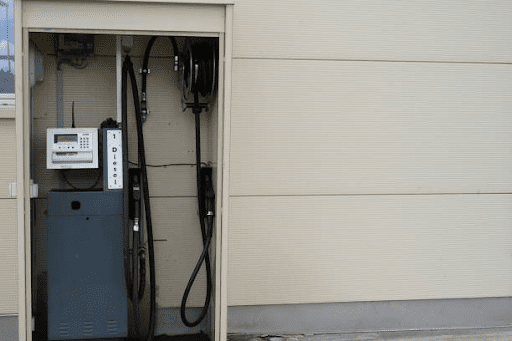
Industrial fuel handling systems operate under constant pressure. Precision, durability, and uninterrupted performance determine operational success. Behind the visible pumps, valves, and digital meters lies a critical yet often overlooked component. Hydraulic systems power lifting platforms, clamping devices, and automated controls within fuel filling environments. Their stability directly affects metering accuracy and system longevity.
In demanding industrial conditions, the choice of lubricant becomes decisive. Anti-wear hydraulic oil ensures smooth power transmission and protects internal components from friction damage. When integrated into a diesel metering and filling machine, this high performance oil influences efficiency, accuracy, and long term reliability.
But how exactly does hydraulic oil shape the performance of modern diesel metering and filling systems?
Why Is Anti-wear Hydraulic Oil Essential for Diesel Metering and Filling Machine Stability?
A diesel metering and filling machine depends on synchronized mechanical and hydraulic movement. Hydraulic pumps regulate pressure for lifting arms, valve actuation, and automated nozzle systems. Without proper lubrication, internal metal surfaces experience friction and accelerated degradation.
Anti-wear hydraulic oil contains additives that form a protective film between moving parts. This film reduces metal to metal contact. As a result, wear rates decrease significantly during high pressure operation.
Stable viscosity plays a critical role in hydraulic responsiveness. If oil thins excessively under heat, pressure stability weakens. High performance Anti-wear hydraulic oil maintains consistent viscosity across temperature fluctuations. This consistency ensures smooth valve movement and accurate diesel flow control.
Operational downtime can disrupt fuel distribution schedules. A diesel metering and filling machine exposed to inferior lubrication may suffer pump failure or pressure irregularities. Advanced hydraulic oil reduces component stress, extending service intervals and minimizing unexpected breakdowns.
How Does Anti-wear Hydraulic Oil Enhance Metering Accuracy in Diesel Metering and Filling Machine Operations?
Accuracy defines the credibility of fuel handling equipment. Even minor deviations in volume measurement can cause financial discrepancies. Hydraulic control systems regulate valve timing and flow pressure within a diesel metering and filling machine.
When hydraulic pressure fluctuates, flow rates become inconsistent. Anti-wear hydraulic oil ensures stable pressure transmission throughout the system. Its anti foaming properties prevent air bubbles from forming inside hydraulic lines. Air contamination can compress under pressure and disrupt metering consistency.
Clean hydraulic fluid reduces contamination risk. High quality anti-wear hydraulic oil resists oxidation and sludge formation. Cleaner internal passages allow precise valve positioning and smoother actuator response.
Temperature stability further improves calibration consistency. During continuous operation, diesel filling systems generate heat. If hydraulic oil breaks down, response time slows. Reliable oil maintains predictable performance, preserving metering precision over extended shifts.
For operators managing large scale fuel distribution, consistent accuracy protects profitability. Therefore, hydraulic oil quality directly influences the credibility of a diesel metering and filling machine in commercial environments.
In What Ways Does Anti-wear Hydraulic Oil Extend Equipment Lifespan in Diesel Metering and Filling Machine Systems?
Hydraulic components operate under significant pressure cycles. Repeated stress can cause surface fatigue, micro pitting, and seal degradation. Without effective lubrication, these issues accelerate.
Anti-wear hydraulic oil includes anti corrosion and anti oxidation additives. These chemical compounds protect internal surfaces from moisture and chemical reactions. In fuel handling environments, humidity and contamination pose constant risks. A diesel metering and filling machine often operates outdoors or in semi exposed facilities. Environmental exposure increases the likelihood of moisture infiltration. High performance hydraulic oil creates a barrier against rust formation, preserving pump integrity.
Reduced friction also lowers operating temperature. Excessive heat accelerates seal wear and oil breakdown. When friction remains controlled, components retain structural stability for longer periods.
Extended equipment lifespan reduces capital expenditure. Businesses avoid frequent pump replacements and major overhauls. Investing in premium anti-wear hydraulic oil therefore becomes a strategic decision rather than a routine purchase.
How Can Optimized Hydraulic Lubrication Improve Energy Efficiency in Diesel Metering and Filling Machine Applications?
Energy efficiency remains a key objective in industrial automation. Hydraulic systems consume power to generate pressure. If internal resistance increases, energy demand rises accordingly.
Anti-wear hydraulic oil minimizes internal friction losses. Smoother fluid movement allows pumps to operate with reduced mechanical strain. Lower resistance translates into improved energy utilization. In a diesel metering and filling machine, efficient hydraulic performance enhances overall throughput. Faster actuator response shortens cycle times. Reduced pressure loss ensures steady diesel flow without overcompensation from pumps.
Stable lubrication also supports optimal motor load distribution. When hydraulic pressure remains balanced, electric motors operate within efficient ranges. This balance reduces electricity consumption over prolonged operation.
Sustainable industrial practices increasingly influence procurement decisions. Companies seeking environmentally responsible operations evaluate lubricant performance. High quality anti-wear hydraulic oil contributes to energy savings and reduced maintenance waste.
What Role Does Hydraulic Oil Quality Play in Operational Safety of Diesel Metering and Filling Machine Systems?
Fuel handling environments demand strict safety standards. Pressure instability or valve malfunction can cause spills or hazardous exposure. Hydraulic reliability directly influences system control.
A diesel metering and filling machine relies on precise actuator timing. If hydraulic fluid degrades, response delay may occur. Such delays compromise emergency shut off mechanisms.
Anti-wear hydraulic oil maintains consistent lubrication even under heavy load conditions. Its thermal stability prevents sudden viscosity breakdown. This reliability supports predictable system behavior during peak demand. Fire safety also depends on temperature control. Excess friction can generate localized overheating. By reducing wear and friction, hydraulic oil lowers the risk of thermal hazards.
Routine monitoring of oil conditions enhances preventive maintenance strategies. Clean, stable hydraulic oil reduces the probability of abrupt system failure. In high volume fuel distribution facilities, such reliability protects both personnel and infrastructure.
Case Study Example:
Shell Helix Hydraulic Oil in Industrial Fueling Systems
A major fuel distribution company upgraded its diesel metering and filling systems at multiple depots by switching to high-performance hydraulic oil in the pumps and actuators controlling fuel flow. The previous system used standard hydraulic fluid, which caused minor delays in metering accuracy due to viscosity changes at varying temperatures.
After implementing high-performance hydraulic oil, the company observed several improvements: the fluid’s superior thermal stability reduced friction in valves and actuators, allowing precise fuel measurement even in extreme weather. Maintenance intervals extended because wear and tear on pumps decreased, and overall system efficiency improved by 15–20%. This also reduced downtime, leading to smoother operation during peak fueling periods.
This example demonstrates that using high-performance hydraulic oil directly enhances the reliability and efficiency of diesel metering and filling systems, supporting consistent operation, accurate delivery, and long-term system durability.
Conclusion:
Hydraulic systems serve as the silent force behind modern fuel handling operations. Their stability determines metering accuracy, equipment durability, and energy efficiency. Choosing the correct lubricant therefore becomes a strategic priority rather than a routine decision.
Anti-wear hydraulic oil provides the protective foundation necessary for high pressure hydraulic performance. Its friction reducing additives, thermal stability, and contamination resistance ensure consistent operation. Within a diesel metering and filling machine, these properties translate into improved accuracy, extended service life, and enhanced safety standards.
As industrial fuel distribution grows more automated and demanding, operational reliability becomes non-negotiable. High performance hydraulic oil supports this reliability at every stage of the process. By investing in advanced lubrication solutions, businesses strengthen system efficiency, protect capital assets, and maintain consistent performance in competitive markets.