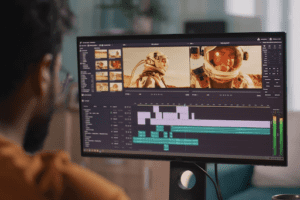
ideo content has become the most powerful medium in digital communication. From social media posts to marketing campaigns, tutorials, and storytelling, videos outperform static images and text in capturing attention and driving engagement. However, creating professional-quality videos often requires specialized software, technical skills, and significant time. Thanks to image to video AI, anyone can now turn photos into dynamic, engaging videos quickly and easily.
This article explores how image to video technology works, its benefits, key features, and practical applications for content creators, marketers, and businesses.
What Is Image to Video AI?
Image to video AI refers to artificial intelligence tools that transform static images into animated videos. These platforms use advanced algorithms to detect key subjects, objects, and background layers in a photo. They then apply motion effects, transitions, and audio enhancements to generate videos automatically.
Unlike traditional video editing that requires a steep learning curve, image to video platforms simplify the process. Users can upload images, choose animations, add music or text, and produce videos within minutes, even without any prior video editing experience.
How Image to Video AI Works
Creating videos using image to video ai is a straightforward process:
- Upload Images: Start with high-quality images for the best results. Multiple images can be uploaded to create slideshows or story sequences.
- AI Analysis: The AI analyzes the photo, identifying the main subjects, background layers, and depth cues to generate smooth motion.
- Apply Motion Effects: Choose from presets such as zoom, pan, parallax, fade, or cinematic transitions.
- Add Enhancements: Incorporate text overlays, captions, logos, or audio tracks to make the video engaging.
- Generate Video: The AI automatically compiles everything into a polished, ready-to-export video.
This automated process removes the need for complex editing and reduces the time and effort needed to create videos.
Key Features of Image to Video AI Platforms
Modern image to video AI platforms offer numerous features to enhance video creation:
1. Motion Effects
From pan and zoom to parallax and cinematic transitions, motion effects make static images come alive.
2. Customization Options
Text overlays, captions, watermarks, and branding elements allow creators and businesses to maintain a professional appearance.
3. Audio Integration
Background music, sound effects, or voiceovers can be added to improve viewer engagement.
4. Export Flexibility
Videos can be exported in HD or 4K, and in various aspect ratios optimized for social media platforms.
5. AI-Powered Enhancements
Some platforms include auto-captioning, scene optimization, and motion prediction for more realistic animations.
6. Beginner-Friendly Interfaces
Drag-and-drop editing, prebuilt templates, and simple dashboards make video creation accessible to users of all skill levels.
Benefits of Using Image to Video AI
⏱ Save Time
Creating a video manually can take hours or even days. With image to video AI, videos can be produced in minutes.
💸 Cost-Effective
There is no need to hire professional editors or buy expensive software. AI platforms provide an affordable alternative for high-quality video creation.
🎯 Increase Engagement
Motion videos attract more attention, leading to higher engagement, shares, and conversions across social media platforms.
🧠 Encourage Creativity
Even beginners can experiment with motion, transitions, audio, and effects to create visually appealing videos.
🌍 Wide Range of Applications
From social media content and marketing campaigns to educational videos and personal projects, AI-generated videos can be used across multiple contexts.
Practical Applications for Creators and Businesses
1. Social Media Content
Videos perform better than images on platforms like Instagram, TikTok, and YouTube. Using image to video AI, creators can transform photos into engaging clips or short reels.
2. Marketing and Advertising
Businesses can animate product images, promotional graphics, or infographics to create captivating marketing campaigns.
3. Educational Material
Teachers and educators can convert diagrams, charts, and illustrations into interactive learning content.
4. Brand Storytelling
Companies can use AI-generated videos to narrate stories, highlight products, and strengthen brand identity.
5. Personal Projects
Individuals can create slideshows, travel videos, event recaps, or memory videos from personal photos using image to video technology.
Tips for Creating Effective AI Videos
- Use High-Quality Images: Crisp and clear images produce smoother animations.
- Keep Videos Short: Short, concise videos perform better on social media platforms.
- Include Text and Branding: Captions, logos, or watermarks maintain clarity and professional appearance.
- Experiment with Motion Effects: Try different animations to make content visually appealing.
- Incorporate Music or Voiceovers: Audio enhances the video’s emotional impact and engagement.
Limitations of Image to Video AI
While image to video AI is a powerful tool, it has some limitations:
- Complex images may not animate perfectly.
- Free versions often include watermarks or limited features.
- Advanced cinematic effects may require premium subscriptions.
- Video quality is dependent on the resolution of original images.
Despite these limitations, the advantages outweigh the drawbacks, making AI-generated videos an essential tool for modern content creation.
The Future of Image to Video AI
AI technology continues to evolve, and image to video AI is no exception. Future developments may include:
- Smarter motion prediction for more natural animations
- AI-generated voiceovers and automatic captions
- Cloud-based collaborative editing for teams
- Enhanced customization for marketing and storytelling
- AI insights for optimizing engagement and conversions
These advancements will make video creation faster, more intuitive, and accessible to anyone, regardless of technical skill.
Conclusion
Image to video AI has revolutionized video production, enabling content creators, marketers, and businesses to transform static images into engaging videos effortlessly. From social media content and marketing campaigns to educational projects and personal slideshows, these platforms save time, reduce costs, and expand creative possibilities.
By leveraging image to video technology, anyone can produce professional-quality videos quickly and efficiently. As AI continues to advance, the ability to create visually stunning, motion-rich videos from photos will become faster, smarter, and more accessible than ever before.
Whether you’re a beginner exploring video content or a professional seeking to enhance your marketing strategy, image to video AI is an essential tool for creating captivating, high-impact videos in today’s digital landscape.