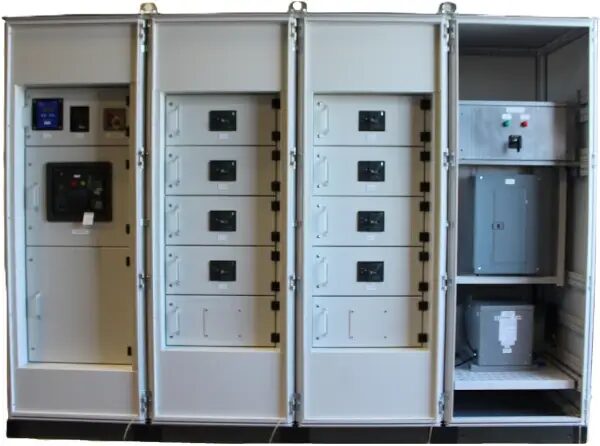
Modern electrical switchboards are a critical component of electrical power distribution systems in residential, commercial, and industrial facilities. They serve as centralized units that control, protect, and distribute electrical power to various circuits and equipment. With the rapid advancement of electrical technologies and increasing demand for safety, efficiency, and reliability, switchboards have evolved significantly in design and functionality. This article explores the essential aspects of modern electrical switchboards, focusing on design principles, safety measures, installation practices, and operational best practices.
Understanding Electrical Switchboards
An electrical switchboard is an assembly of electrical components such as switches, circuit breakers, fuses, and control devices mounted on a panel or enclosure. Its primary function is to receive power from a source and distribute it safely to downstream circuits while protecting the system from faults such as overloads and short circuits.
Modern switchboards are designed to handle varying voltage levels and power capacities, making them suitable for diverse applications. They also integrate monitoring and control features that enhance system performance and energy management.
Design Principles of Modern Electrical Switchboards
Functional Design and Layout
The design of an electrical switchboard begins with a clear understanding of load requirements, voltage levels, and future expansion needs. A well-planned layout ensures ease of operation, maintenance, and troubleshooting. Components should be arranged logically, with clear labeling to avoid confusion and reduce the risk of operational errors.
Adequate spacing between components is essential to prevent overheating and allow proper airflow. Modular designs are increasingly popular as they offer flexibility, scalability, and easier upgrades.
Material Selection and Enclosures
Modern switchboards use high-quality conductive materials such as copper or aluminum for busbars to ensure efficient power transmission. Enclosures are typically made of steel or reinforced insulating materials that provide mechanical strength and protection against environmental factors.
The enclosure design must consider factors such as dust, moisture, corrosion, and temperature. Depending on the application, switchboards may require indoor or outdoor-rated enclosures with appropriate ingress protection levels.
Integration of Advanced Technologies
Today’s electrical switchboards often incorporate digital meters, sensors, and communication interfaces. These features allow real-time monitoring of voltage, current, power consumption, and system health. Smart switchboards can integrate with building management systems, enabling better energy optimization and predictive maintenance.
Safety Considerations in Electrical Switchboards
Electrical Protection Devices
Safety is a primary concern in switchboard design and operation. Protective devices such as circuit breakers, residual current devices, and surge protection units are essential to prevent electrical hazards. These components automatically disconnect faulty circuits, reducing the risk of fires, equipment damage, and electric shock.
Proper coordination of protection devices ensures that faults are isolated quickly and efficiently without affecting the entire system.
Arc Flash and Short Circuit Protection
Arc flash incidents can cause severe injuries and equipment damage. Modern switchboards are designed to minimize arc flash risks through robust insulation, proper clearances, and arc-resistant enclosures. Short circuit withstand ratings must be carefully calculated to ensure the switchboard can safely handle fault currents.
Warning labels, interlocks, and safety barriers further enhance protection for operating and maintenance personnel.
Compliance with Standards and Regulations
Electrical switchboards must comply with relevant electrical codes and standards to ensure safety and reliability. Adhering to these requirements during design, manufacturing, and installation helps prevent accidents and legal issues. Regular inspections and testing are also necessary to maintain compliance throughout the switchboard’s lifecycle.
Best Practices for Installation
Site Preparation and Planning
Proper installation begins with thorough site preparation. The location should provide adequate space for operation, ventilation, and maintenance access. The floor or mounting structure must be strong enough to support the weight of the switchboard and withstand operational vibrations.
Environmental conditions such as temperature, humidity, and exposure to contaminants should be assessed before installation.
Proper Mounting and Alignment
Switchboards must be securely mounted and correctly aligned to prevent mechanical stress and ensure reliable connections. All fasteners should be tightened to the specified torque values, and cable entries must be properly sealed to prevent dust and moisture ingress.
Correct grounding and bonding are critical to ensure safety and effective fault current dissipation.
Electrical Connections and Testing
All electrical connections should be made according to approved drawings and specifications. Cable terminations must be properly crimped and insulated to prevent overheating and loose connections.
Before energizing the switchboard, comprehensive testing should be conducted. This includes continuity checks, insulation resistance tests, and functional testing of protective devices to verify proper operation.
Operational Best Practices
Routine Inspection and Maintenance
Regular inspection and maintenance are essential to ensure the long-term performance of electrical switchboards. Visual inspections can identify signs of overheating, corrosion, or physical damage. Periodic cleaning helps prevent dust accumulation that can affect insulation and cooling.
Preventive maintenance schedules should include tightening connections, testing protective devices, and verifying instrument accuracy.
Monitoring and Performance Optimization
Modern switchboards with monitoring capabilities allow operators to track electrical parameters and identify inefficiencies. Analyzing this data can help optimize load distribution, reduce energy losses, and prevent overloading.
Early detection of abnormal conditions enables timely corrective actions, reducing downtime and maintenance costs.
Training and Documentation
Personnel responsible for operating and maintaining switchboards should receive proper training on system functionality, safety procedures, and emergency response. Clear documentation, including schematics, operating manuals, and maintenance records, supports safe and efficient operation.
Proper labeling of circuits and components also plays a crucial role in minimizing errors during operation and maintenance.
Future Trends in Electrical Switchboards
As electrical systems continue to evolve, switchboards are becoming more intelligent and adaptable. The integration of automation, digital communication, and data analytics is transforming switchboards into active management tools rather than passive distribution units.
Sustainability is another growing focus, with designs aimed at improving energy efficiency and reducing environmental impact. These advancements will further enhance the safety, reliability, and functionality of electrical switchboards.
Conclusion
Modern electrical switchboards play a crucial role in ensuring the safe and efficient distribution of electrical power. Their design demands careful consideration of system functionality, high-quality materials, and advanced technologies, with safety remaining a top priority throughout the entire lifecycle.
If you require expert guidance or customized solutions for electrical switchboards,
Contact Us to connect with our specialists and discuss your project requirements.
Proper installation and strict adherence to industry best practices help ensure long-term reliability, while regular maintenance and continuous monitoring significantly extend service life. By applying sound design principles, implementing robust safety measures, and adopting efficient operational practices, electrical switchboards are well-equipped to meet the challenges of today’s complex electrical systems and support future technological advancements.