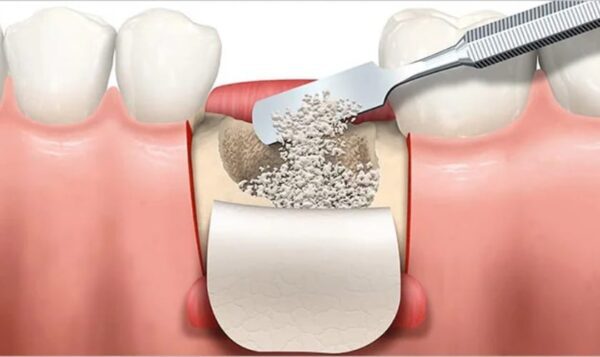
Bone loss in your mouth can feel scary. You may worry about loose teeth, shrinking gums, or if you can ever get dental implants in Norristown, PA. You deserve clear answers. Bone grafting gives your jaw a second chance. It supports weak spots, protects remaining teeth, and prepares your mouth for future treatment. Without enough bone, gum disease can spread faster. So can tooth loss. Yet with the right graft, your jaw can grow new support where it was missing. That support keeps teeth steadier. It also gives implants a strong anchor so they last longer. This blog explains three clear reasons bone grafting matters for your health. You will see how it helps stop damage, builds strength for implants, and protects your mouth over time. You can then talk with your dentist and know what to ask for and why it counts.
Reason 1: Bone Grafting Helps Stop Ongoing Damage
When you lose a tooth, the jaw under that tooth starts to shrink. Your body pulls minerals out of the bone. The bone then thins and weakens. Gum disease speeds this loss. So do missing teeth that stay untreated.
Bone grafting interrupts this slide. Your dentist places new bone material where support has faded. Your body then treats that graft like a scaffold. New bone cells move in. Over time they turn the weak spot into stronger support.
That change protects more than one tooth. It can help you:
- Slow bone loss from gum disease
- Keep nearby teeth from shifting out of place
- Support your bite so chewing feels steady
The National Institute of Dental and Craniofacial Research explains how bone and gum problems link with loose teeth and tooth loss.
Reason 2: Bone Grafting Builds a Strong Base for Implants
Dental implants need solid bone. The implant post acts like a tooth root. It goes into your jaw. It must sit in a bone that is thick and tall enough. If the bone is thin, the implant can fail. It may not heal in place. It may loosen. It may hurt when you bite.
Bone grafting can change that outcome. It adds support before the implant goes in. In some cases, it can happen at the same time. Your dentist will review your X-rays. Your dentist will then decide where and how much graft you need.
Here is a simple comparison that shows how bone levels affect implant success.
| Jawbone Condition | Example Bone Height | Implant Option | Risk of Implant Problems
|
| Healthy bone | 10 mm or more | Standard implant without graft | Lower risk |
| Moderate loss | 6 to 9 mm | Implant with bone graft support | Medium risk |
| Severe loss | Less than 6 mm | Staged graft then implant later | Higher risk without graft |
These numbers are examples. Your dentist will measure your jaw. The key point is clear. As bone height drops, the need for a graft rises.
The American Academy of Periodontology gives more detail about how bone supports implants and how grafts help.
Reason 3: Bone Grafting Helps Keep Your Face Shape and Daily Comfort
Bone loss changes more than your teeth. It slowly changes your face shape. Your jaw can look smaller. Your cheeks can sink. Your smile line can sag. You may notice that your lips do not rest the same way. You may see new folds in your skin near your mouth.
Bone grafting supports your jaw, so these changes are slow. That support helps you:
- Keep a fuller face shape
- Hold dentures or bridges more firmly
- Chew a wider range of foods
That stability touches daily life. You may feel more at ease in social settings. You may speak with less worry about slipping teeth. You may also feel less strain in your jaw joints because your bite stays more even.
Common Types of Bone Grafts You May Hear About
Your dentist may use different graft materials. Each type aims to give your body a safe base so it can grow its own bone. You might hear:
- Your own bone from another part of your body
- Donor bone that has been cleaned and processed
- Bone from animals that has been treated for medical use
- Man-made bone-like materials that guide new bone growth
Your dentist will match the graft type to your health, tooth plan, and comfort. You can ask:
- Where the graft material comes from
- How long has it been used in dental care?
- How your body will heal around it
What to Expect Before and After a Bone Graft
You should know what the process looks like. That knowledge often softens fear. It also helps you plan.
Before the graft, your dentist will:
- Review your health and medicines
- Take X rays or 3D scans of your jaw
- Explain choices for numbing and comfort
After the graft, you can expect:
- Some swelling and soreness for a short time
- Instructions on food, brushing, and rinsing
- Checkups to see how the bone heals
The healing phase gives your body time to fill the graft with new bone cells. That step is slow. It is also central. You may wait several months before an implant goes in. During that time, you protect the graft by:
- Not smoking
- Keeping your mouth clean as your dentist directs
- Avoiding chewing hard food on the graft site
Questions to Ask Your Dentist About Bone Grafting
You deserve straight answers. You can bring this list on your visit.
- Why do you think I need a bone graft
- What happens if I wait or skip the graft
- What kind of graft material will you use
- How long will healing take before an implant
- What risks or side effects should I watch for
- How will this graft help my long-term gum and tooth health?
Taking Your Next Step
Bone loss does not mean you are out of options. Bone grafting can slow damage, support implants, and help keep your facial shape firm. It gives your jaw a chance to rebuild strength instead of slipping toward more loss.
If you worry about loose teeth, gum disease, or future implants, ask about bone grafting at your next visit. Clear facts and a simple plan can replace fear with steady control over your oral health.