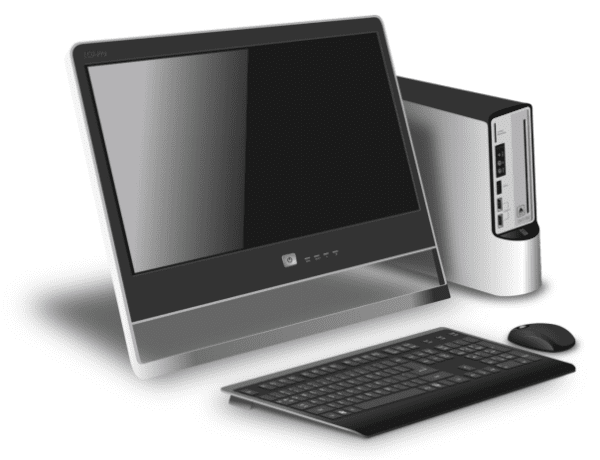
Strategic hardware integration is important for modern digital work. It helps systems work together in a smooth way. Many businesses depend on different devices every day. These devices must share data fast and safely.
When hardware is not connected well, work becomes slow and messy. This can reduce productivity and increase cost. Good integration solves these problems. It builds a system where tools support each other.
This leads to better performance and fewer errors. In this article, we will explore how strategic hardware integration improves digital efficiency in simple terms.
Importance of Digital Efficiency
Digital efficiency means doing more work with less time and effort. It helps companies save money and energy. When systems are efficient, employees can focus on real tasks instead of fixing problems. Poor efficiency leads to delays and confusion. Good hardware integration supports better digital efficiency in every part of work.
It also improves customer service. Faster systems respond quickly to requests. This builds trust and satisfaction. Over time, efficiency becomes a key part of business success.
Digital efficiency also helps reduce stress for workers. When systems run smoothly, employees can complete tasks without constant interruptions or technical issues.
Role of Centralized Systems
Centralized systems help control all devices from one point. This makes management easier. IT teams can monitor performance in real time. Problems can be fixed faster. It also reduces the chance of system failure. With central control, hardware becomes more organized and reliable.
These systems also reduce complexity. Instead of managing many tools separately, everything is handled in one place. This saves time and reduces confusion for technical teams.
Centralized systems also improve reporting. Managers can see system performance data in a clear format. This helps them make better decisions for future upgrades and planning.
Improving Data Flow Between Devices
Smooth data flow is very important in any digital setup. Devices must share information without delay. If data gets stuck, work slows down. Strategic integration removes these barriers. It creates a direct path for information. This improves speed and accuracy in daily tasks.
It also supports teamwork. Different departments can access the same updated data. This avoids mistakes caused by outdated files. Work becomes more consistent across the organization.
Strong data flow also reduces duplication. When systems are connected, there is less need to enter the same data multiple times. This saves time and reduces human error.
Reducing Operational Costs
When hardware works well together, companies spend less on repairs and replacements. They also save on energy use. Efficient systems do not need constant fixing. This lowers maintenance costs. Over time, good integration leads to strong financial savings for businesses of all sizes.
It also reduces wasted resources. Systems that run smoothly use less power and time. This helps companies manage budgets better and invest in growth areas.
In addition, better integration reduces downtime costs. When systems stay online longer, companies avoid losing productivity and revenue during outages.
Choosing the Right Devices
Choosing the right hardware is a key part of integration. Devices must match in performance and compatibility. If they do not match, problems will appear later. For example, some companies consider options like macbook preowned devices to balance cost and performance needs. Careful selection helps build a strong and stable system.
It is also important to think long term. Devices should support future upgrades. This avoids early replacement and reduces extra spending.
Another key factor is vendor support. Devices with strong support systems are easier to maintain and integrate into larger networks.
Enhancing Security Through Integration
Security is very important in digital systems. Integrated hardware can improve protection. Devices can share security updates faster. They can also detect threats early. This reduces the risk of data loss. A connected system is easier to secure and manage.
It also helps control access. Only approved users can reach certain data. This lowers the chance of internal security issues and keeps systems safer.
Security integration also helps with monitoring. IT teams can track unusual activity across all devices in real time. This makes it easier to respond to threats quickly.
Supporting Remote Work Systems
Many companies now support remote work. Employees use different devices from different places. Hardware integration helps connect these devices to company systems. This allows smooth communication and file sharing. It also keeps work consistent even outside the office.
It also improves flexibility. Workers can join projects from anywhere. This helps companies hire talent without location limits. Work continues without interruption.
Remote systems also depend on cloud-based integration. This ensures that all users access the same updated information no matter where they are.
Increasing System Scalability
Scalability means the ability to grow without problems. A well-integrated system can add new devices easily. Businesses do not need to rebuild everything from the start. They can expand step by step. This makes growth faster and more flexible.
It also supports changing business needs. When demand increases, systems can adjust quickly. This prevents delays during important growth stages.
Scalable systems also help reduce risk during expansion. New hardware can be added without breaking existing workflows or connections.
Reducing Technical Errors
Technical errors can slow down operations. These errors often come from poor device connections. Strategic integration reduces these issues. It creates a stable environment where devices work together smoothly. This leads to fewer crashes and less downtime.
It also makes troubleshooting easier. IT teams can find problems faster because systems are connected. This reduces repair time and improves productivity.
Error logs and system tracking also become more useful in integrated systems. This helps teams identify patterns and fix root causes instead of just symptoms.
Long-Term Maintenance Benefits
Maintaining a well-integrated system is easier. IT teams can find problems quickly. Updates can be applied across all devices at once. This reduces time spent on repairs. Over time, the system becomes more stable and easier to manage.
It also extends device lifespan. When systems are balanced and well managed, hardware lasts longer. This reduces the need for frequent replacements and supports long-term savings.
Long-term maintenance also becomes more predictable. Companies can plan upgrades and budgets with more confidence because systems behave more consistently.
Learn All About Strategic Hardware Integration
Strategic hardware integration plays a strong role in digital efficiency. It connects devices in a simple and effective way. This improves speed, security, and performance. It also reduces costs and system errors.
Businesses benefit from smoother workflows and better scalability. With proper planning, hardware integration supports long-term success in any digital environment.
Visit our blog for more!