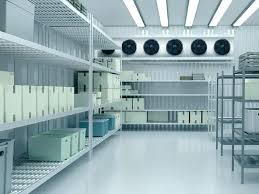
For many food, retail, hospitality, pharmaceutical, and logistics businesses, temperature-controlled storage is not just a facility upgrade. It is part of daily operations, product quality control, cost management, and long-term business planning. Choosing the right cold room manufacturer can directly affect how efficiently a company stores products, controls waste, meets safety standards, and supports future expansion.
A refrigerated storage project usually requires more than simply installing insulated panels and cooling equipment. The design must match the product type, storage volume, loading frequency, temperature range, site conditions, and workflow. If the system is poorly planned, the business may face unstable temperatures, higher electricity bills, frequent maintenance issues, and product losses.
Better Storage Design Supports Business Efficiency
Different businesses have different storage needs. A hotel kitchen, seafood distributor, dairy factory, supermarket, and pharmaceutical warehouse all require different temperature settings, room layouts, door designs, and refrigeration systems.
A professional supplier will evaluate how products move in and out of storage, how often doors are opened, whether shelving or pallets are needed, and how much future capacity may be required. Good design helps staff work faster, reduces congestion, and improves inventory management.
For example, a restaurant cold room should be designed around daily kitchen workflow, ingredient categories, hygiene requirements, and easy access during peak service hours. When storage is organized properly, staff can find ingredients faster, reduce spoilage, and maintain better food quality.
Stable Temperature Helps Reduce Product Loss
Temperature instability can be expensive. In food businesses, poor cooling may cause meat, seafood, dairy, vegetables, or prepared ingredients to spoil earlier than expected. In pharmaceutical or chemical storage, unstable conditions may affect product safety and compliance.
A reliable small cold room should maintain consistent temperature even during busy operation periods. This depends on correct insulation thickness, refrigeration capacity, airflow design, door sealing, and control systems. When these details are handled well, businesses can reduce waste and protect product value.
Lower product loss means better profit margins. For growing companies, this can make a major difference over months and years of operation.
Energy Efficiency Affects Long-Term Costs
The purchase price is only one part of the total investment. Electricity consumption, maintenance, repairs, and equipment lifespan also matter. A cheaper system may look attractive at first, but poor insulation or undersized equipment can increase monthly operating costs.
Energy-efficient design may include high-quality insulated panels, proper door selection, suitable compressors, smart temperature controls, and optimized room layout. These features help reduce unnecessary cooling loss and keep the system running more efficiently.
For business owners, lower energy use means more predictable operating expenses and better long-term return on investment.
Custom Solutions Support Business Growth
As companies grow, their storage needs often change. A small food business may later expand into catering, wholesale supply, frozen storage, or multiple locations. A retailer may need larger stock capacity during holidays or peak seasons.
Working with an experienced supplier makes it easier to plan for growth. The storage room can be designed with future expansion, additional shelving, loading areas, or upgraded refrigeration capacity in mind. This helps businesses avoid costly redesigns later.
A flexible solution supports both current operations and future business goals.
Quality Installation Reduces Downtime
Even a good design can fail if installation quality is poor. Refrigerated storage requires accurate panel assembly, proper sealing, correct pipe connection, reliable drainage, and careful equipment commissioning.
Poor installation may cause air leakage, water condensation, ice buildup, uneven cooling, or system failure. These issues can interrupt business operations and create unexpected repair costs.
A dependable supplier provides proper installation guidance, technical support, and after-sales service. This is especially important for businesses that depend on continuous storage performance every day.
Compliance and Safety Matter
Many industries must follow hygiene, food safety, or product storage regulations. Restaurants, hotels, food factories, and medical suppliers need storage systems that support clean operation and safe temperature control.
Good design can help improve cleaning efficiency, reduce contamination risks, and support better stock rotation. Features such as easy-clean surfaces, suitable flooring, drainage systems, and digital temperature monitoring can help businesses maintain safer operations.
Final Thoughts
Choosing the right supplier for refrigerated storage is a strategic business decision, not just a purchasing task. The right partner can help reduce waste, improve workflow, lower energy costs, protect product quality, and support future expansion.
For business owners, a well-designed storage system can become a long-term asset. It helps daily operations run more smoothly while giving the company a stronger foundation for growth.