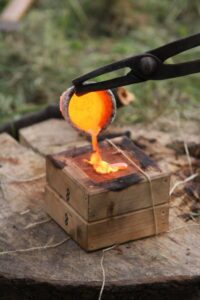
Metal casting is undergoing massive changes. New technologies are shifting how foundries make parts. These shifts help companies work faster and make better products.
Manufacturers are adopting new tools to meet high demands. These advancements not only enhance product quality and precision but also improve workplace safety, optimize resource utilization, and support more sustainable production practices.
In this article, we’ll explore the top seven trends transforming the casting industry and examine how they are helping manufacturers stay competitive in an increasingly dynamic global market.
Modern Molding Methods
Modern factories rely on rapid prototyping to save time. When using Investment Casting in production lines, companies achieve very tight tolerances and smooth finishes. This technology helps reduce waste and save money on machining.
3D printing has made this old method much faster. Workers can print wax patterns directly, and this step eliminates the need for expensive metal tooling. Designers can test their products and make changes within days.
Smart Automation
Foundries are adding smart machines to their floors. Robots handle dangerous tasks like pouring hot metal. This shift makes the workplace safer for human operators.
It keeps production speeds steady throughout the day. Automated systems can run all night without a break, and this constant work helps factories meet tight deadlines. By using smart machines, companies reduce mistakes and save money.
Green Foundry Methods
Environmental impact is a major concern for modern businesses. Foundries are shifting toward greener practices. They focus on recycling materials and reducing emissions, and these changes appeal to eco-conscious buyers.
These efforts help protect the planet:
- Recycle scrap metal materials
- Reduce energy consumption levels
- Filter factory exhaust gases
- Use cleaner fuel sources
Computer Simulations
Engineers do not have to guess how metal flows anymore. They use simulation software to model the pouring process. This helps them find weak spots before casting begins.
It prevents errors and saves expensive materials. Using digital models speeds up design times. Teams can fix issues on a screen instead of wasting physical metal.
Lightweight Alloys
The auto industry wants lighter cars to improve mileage. Foundries are responding by casting parts with lightweight alloys like aluminum and magnesium; these materials are light but strong. Making these parts requires precise temperature control.
Electric vehicle makers demand these lightweight components. Casting plants must adapt to work with these soft metals, and this shift creates stronger parts that weigh far less. It helps vehicles travel further on a single charge.
Real-Time Tracking
Sensors inside the factory track every step of production. Managers can monitor temperature, pressure, and cooling times on their screens, and this data helps find delays quickly. It keeps the supply chain moving smoothly.
Connected machines share data with the cloud instantly, and this connectivity alerts workers if a machine needs maintenance. It keeps the line running without unplanned stops. Constant tracking leads to better quality control.
Customization Demands
Customers want small batches of custom parts instead of mass-produced items. Foundries must be flexible to survive. New tooling methods allow factories to switch designs quickly, and this adaptability helps them serve niche markets.
Small businesses can order exact parts without buying thousands at a time. This trend forces factories to change their setups fast.
Embracing Innovation to Shape the Future of the Casting Industry
The casting world is evolving fast. Factories that embrace these changes will lead the market. By staying informed about the latest industry developments and investing in continuous improvement, foundries can unlock new opportunities for growth while delivering reliable, precision-engineered castings for the industries of tomorrow.
Want to read more helpful guides? Check out our other blog posts today.