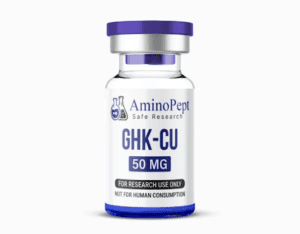
Peptides have become an essential tool in both scientific research and health optimization. These short chains of amino acids offer targeted biological effects, influencing cellular regeneration, metabolism, and overall wellness. With a wide variety of peptides available, it can be challenging to determine which ones are best suited for your specific research objectives or personal health goals. Among the most studied and versatile options are Longevity Bioregulators and RETA-GLP-3, each offering unique benefits for researchers and health enthusiasts alike.
Understanding Peptides
Peptides are naturally occurring molecules that function as signaling agents in the body. They regulate key biological processes, including cell communication, tissue repair, immune function, and hormone activity. Unlike broad-spectrum supplements, peptides provide precise, measurable effects, making them valuable for both experimental research and targeted health interventions.
In research, peptides are studied to understand aging, metabolism, tissue regeneration, and other physiological processes. In health and wellness applications, they are used to support skin, muscle, metabolic function, and overall longevity.
Key Factors in Choosing Peptides
Selecting the right peptide depends on your goals, whether for research or personal health. Here are several factors to consider:
1. Intended Purpose
- Cellular Repair and Anti-Aging: If your focus is on anti-aging or tissue regeneration, Longevity Bioregulators are highly recommended. These peptides are designed to regulate gene expression, improve cellular repair, and enhance overall physiological function. They support healthy aging by promoting tissue integrity, organ function, and cellular resilience.
- Metabolic and Hormonal Support: For research or interventions related to metabolism, appetite regulation, or weight management, RETA-GLP-3 offers targeted benefits. It works by modulating metabolic pathways, supporting insulin sensitivity, and regulating fat metabolism.
2. Research Evidence
Selecting peptides with strong scientific backing ensures safety and efficacy. Longevity Bioregulators have been studied for their ability to optimize cellular function, support tissue repair, and extend healthy lifespan. RETA-GLP-3 has demonstrated significant metabolic benefits in laboratory and preclinical studies, making it a reliable choice for research applications or health optimization studies.
3. Administration and Handling
Many peptides are supplied in lyophilized powder form and require proper reconstitution using sterile solvents. Adhering to manufacturer guidelines is crucial for maintaining peptide stability and effectiveness. Factors to consider include:
- Appropriate reconstitution solvents
- Recommended storage conditions
- Accurate dosing and measurement techniques
Proper handling ensures consistent results, whether in a laboratory setting or personal health protocol.
Benefits of Longevity Bioregulators
Longevity Bioregulators are specialized peptides designed to promote healthy aging at the cellular level. Key benefits include:
- Enhanced Cellular Repair: Stimulates tissue regeneration and cellular turnover.
- Anti-Aging Effects: Supports organ health and reduces age-related degeneration.
- Immune Support: Improves immune system function, aiding recovery and resilience.
- Metabolic Efficiency: Optimizes energy utilization and supports healthy body composition.
By targeting fundamental pathways of aging and cellular repair, Longevity Bioregulators provide a comprehensive approach to health optimization. Researchers studying aging, regenerative medicine, or chronic disease prevention often prioritize these peptides due to their broad-spectrum benefits.
Benefits of RETA-GLP-3
RETA-GLP-3 is a metabolic peptide with strong applications in research and health interventions. Its benefits include:
- Regulation of Metabolic Pathways: Enhances fat metabolism and supports lean body composition.
- Appetite and Hormonal Balance: Supports insulin sensitivity and helps regulate blood sugar levels.
- Tissue Support: Contributes to tissue repair and cellular health, complementing its metabolic effects.
- Research Versatility: Offers precise mechanisms of action, making it ideal for metabolic studies and intervention research.
RETA-GLP-3 is particularly useful for studies focused on energy metabolism, weight management, or metabolic disorders. Its targeted effects provide researchers with measurable outcomes and reproducible results.
Combining Peptides for Synergistic Effects
In some cases, combining peptides can enhance overall outcomes. For instance, pairing Longevity Bioregulators with metabolic peptides like RETA-GLP-3 can simultaneously support cellular repair, healthy aging, and optimized metabolism.
However, it is essential to consult research guidelines or professional protocols when combining peptides. Proper dosing, timing, and administration are critical to maximize benefits and avoid potential interactions.
Safety Considerations
Safety is paramount when selecting peptides for research or health purposes. Key recommendations include:
- Source Quality: Use peptides from reputable suppliers to ensure purity and consistency.
- Storage: Follow recommended storage guidelines to maintain stability and efficacy.
- Dosing Accuracy: Measure precisely to prevent under- or overdosing.
- Professional Oversight: When used in clinical or health contexts, consult healthcare professionals for guidance.
Adhering to these safety practices ensures that peptides provide reliable, effective, and safe outcomes.
Conclusion
Choosing the right peptide for your research or health goals requires careful consideration of purpose, evidence, administration, and safety. Longevity Bioregulators offer broad-spectrum benefits for cellular repair, anti-aging, and immune support, making them ideal for studies or interventions targeting longevity and overall wellness. RETA-GLP-3, on the other hand, provides precise metabolic regulation, tissue support, and measurable research outcomes, making it a critical tool for metabolic studies and health optimization.
By understanding the unique properties of each peptide and following best practices for preparation and administration, researchers and health professionals can harness the full potential of these compounds. Whether the goal is advancing scientific knowledge or optimizing personal health, selecting the right peptides ensures safe, effective, and impactful results.