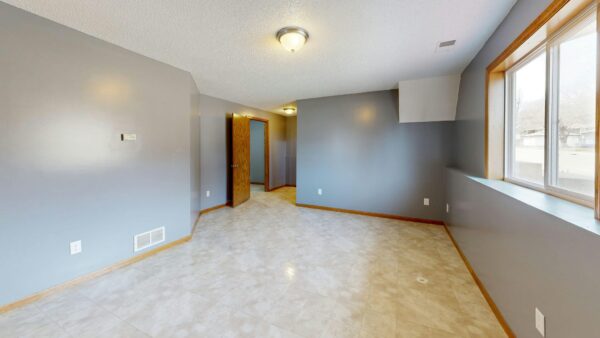
One thing that most homeowners tend to ignore when it comes to designing their homes is the vent covers. Such accessories can be found throughout a house, but homeowners tend to regard them as no more than an afterthought when it comes to designing. The vent covers can either blend well with the home decor or become accent items, for that matter.
Choosing vent covers that match your interior design is easier than it sounds. With a little knowledge of what is possible and consideration for your home’s aesthetic, it’s simple to turn something functional, like vent covers, into something that enhances your space.
Comprehending Varieties of Vent Covers
Your house has, no doubt, three different types of vent covers, each used for different purposes:
The first type is floor vents, which are the most popular and readily observable, normally located in the living room, bedrooms, and corridors. The durability required for such covers, apart from aesthetic appeal, has to accommodate pedestrian flow.
Wall vents can also appear at different heights, depending on your system’s configuration. They can either be installed near baseboards or somewhere up on the walls, and how visible they are also depends on that.
Ceiling vents can often be noticed in bathrooms, kitchens, and certain bedroom settings. Although ceiling vents are less conspicuous, careful consideration for the finish and design will prevent them from becoming unsightly when viewing a room from overhead.
Choosing Correct Covers for Your Vents
Your home’s overall design aesthetic should guide your vent cover selection. Modern homes benefit from clean lines and minimalist designs. Look for sleek metal covers with simple geometric patterns or solid faces that virtually disappear into contemporary flooring and walls.
The traditional or rustic home can support more ornate designs. One can look for covers that feature decorative scrollwork, vintage patterns, or finishes that will accentuate existing fixtures such as handles and lighting fixtures.
Transitional ranges will give you the flexibility to choose covers that connect different elements in design. Always choose classic designs that feature minimal details to blend in with your existing interior design without competing for attention.
Options for Materials and Their Trade-offs
Metal vent covers provide durability and flexibility. Steel and aluminum versions will not warp and provide excellent ventilation. They also come in many different finishes, from brushed nickel to oil-rubbed bronze, ensuring that it matches the existing fixtures. However, it tends to show fingerprints and needs regular cleaning in highly traveled areas.
Wooden vent covers are warm and aesthetic, especially for homes that have wood flooring. Flush mount wood vents, for example, can also be stained or painted to blend perfectly well with any desired interior decor. The only drawback is that wood tends to rot faster and can warp when it gets wet.
Plastic covers are the cheapest option and can also be used in utility areas or places where aesthetics are not a big concern. However, plastic covers tend to lack the sleek finish that comes along with metal or wood covers.
Enhancing Your Home Design through Selective Choices
The right vent covers will add functionality to your home, ensuring that your vent stays covered, reducing aesthetic concerns, and creating an improved look instead. The right vent covers will not only blend well, but they will also contribute to your design narrative.
Take time to evaluate each room separately, since different rooms can benefit from different methods. The formal dining room requires more elegant covers, while the family room can support more casual covers. However, it is important to note that having the same covers in different spaces can provide aesthetic flow!